Sourcing a cold-pressed smart card or FindMy tracker solution requires decisions across mechanics, electronics, firmware, certification, and manufacturing. Yuli has organized its process guides, product-selection material, ecosystem comparisons, and validation resources into one engineering center so sourcing, brand, and development teams can find project-ready information more quickly.
What the resource center is designed to solve
An inquiry may begin with “we need a tracker card,” while the solution depends on the target phone ecosystem, dimensions, battery-life objective, button and acoustic requirements, graphics, operating environment, certification markets, and expected volume. When those inputs remain scattered, hardware and mechanical work tends to repeat.
The resource center follows the buyer’s decision sequence: choose cold-press manufacturing or a FindMy route, review product forms and applications, then move to validation, battery life, and RFQ preparation. Related links connect the stages without requiring the visitor to understand Yuli’s internal engineering structure first.
Five resource groups match five project stages
Cold-press manufacturing
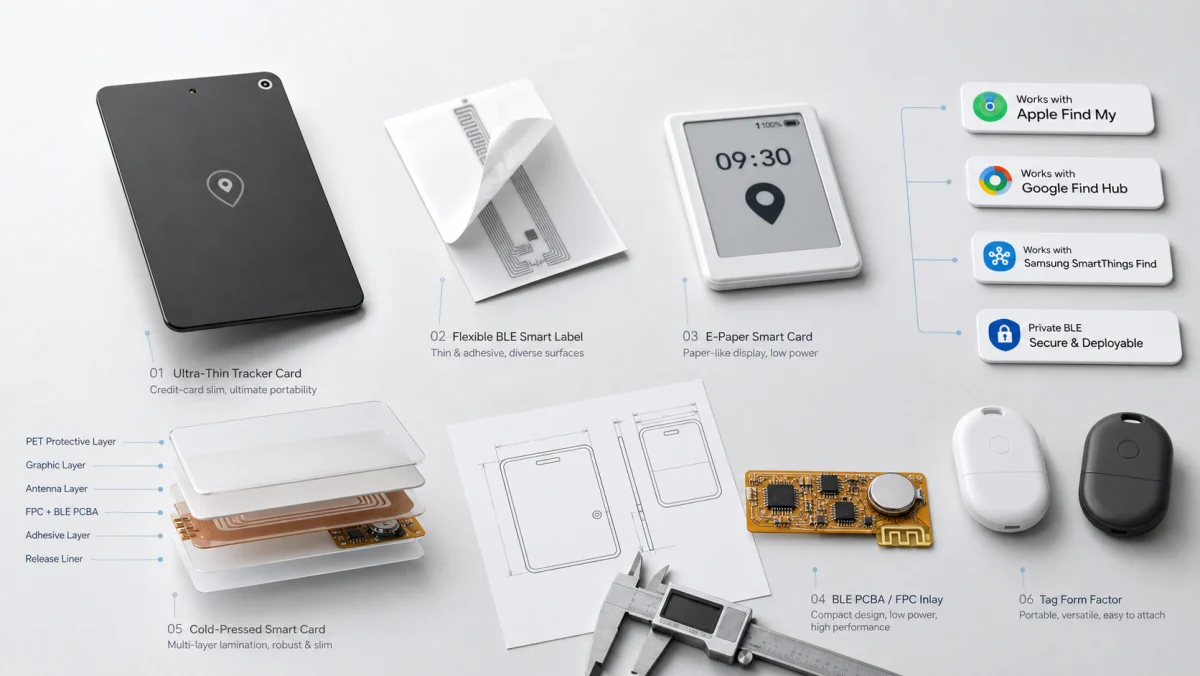
These pages cover card material stacks, electronic integration, pressing, appearance control, and reliability validation. They are useful for customers who already have a PCBA and need card manufacturing, as well as teams turning an existing electronic design into a thin card.
FindMy tracker solutions
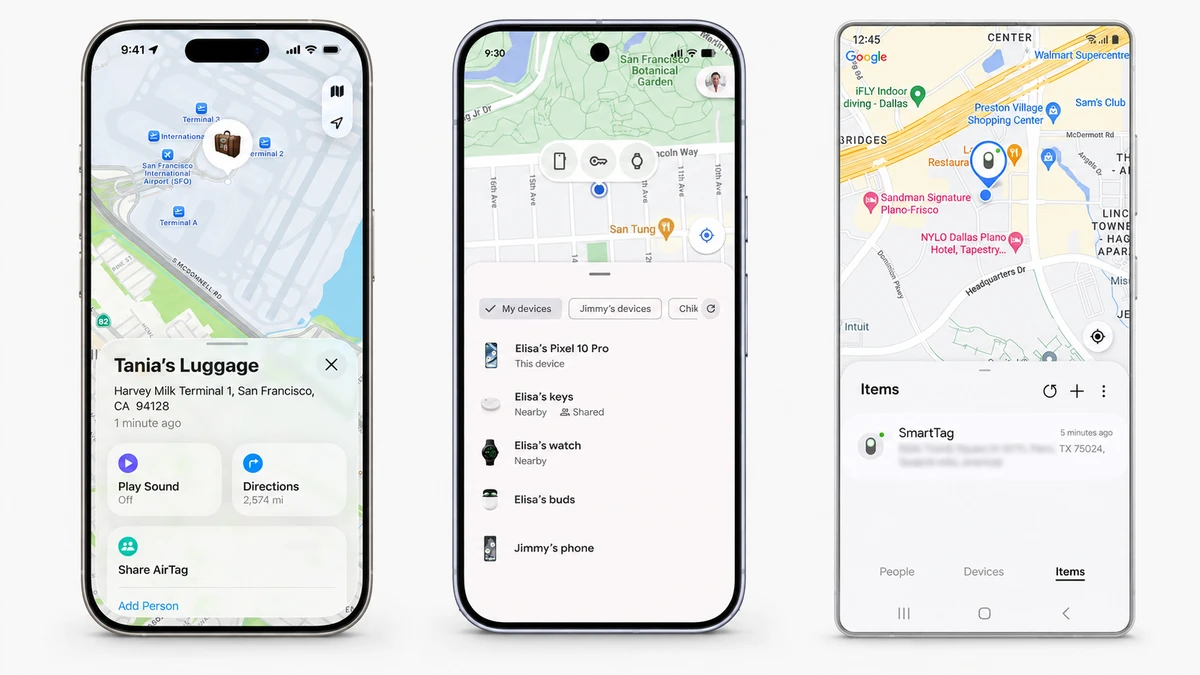
Resources explain how Apple Find My, Google Find Hub, and Samsung SmartThings Find routes differ, together with the engineering implications of cards, tags, e-paper products, and embedded modules. Platform rules remain subject to each ecosystem’s current program; the website supports evaluation and does not replace formal approval.
Products and applications
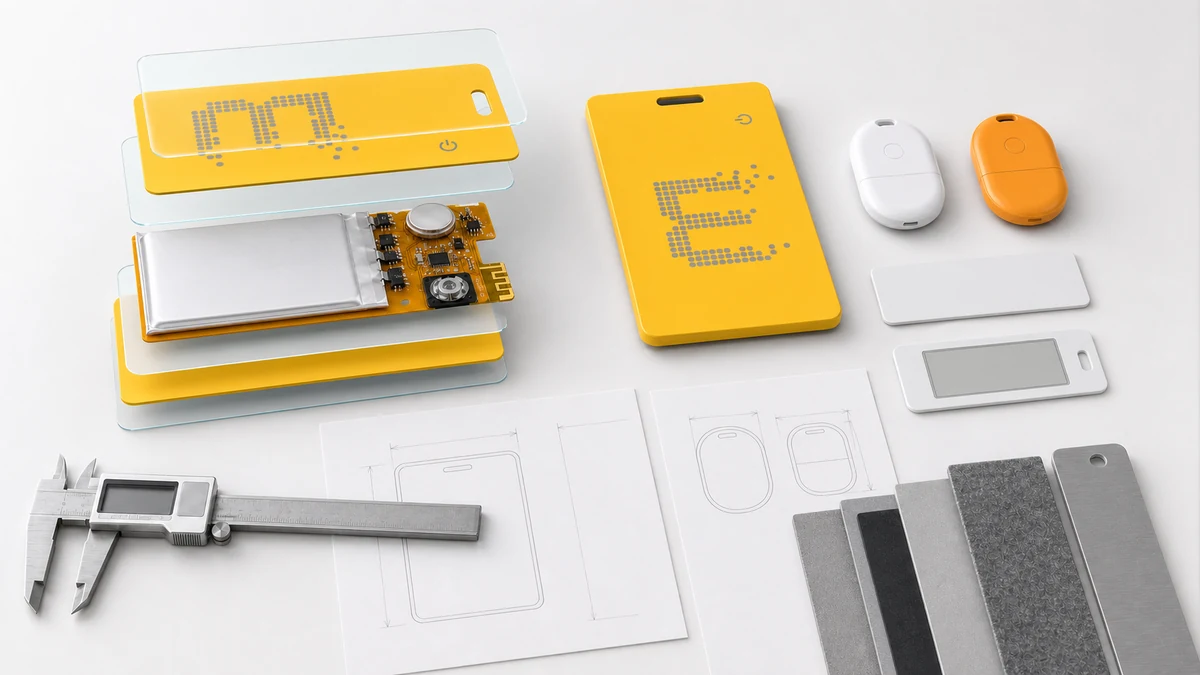
The product catalog presents customizable B2B reference forms rather than retail products. Customers own product definition, brand, and channel. Yuli supports custom hardware, firmware adaptation, certification preparation, pilot builds, and card manufacturing.
Testing and validation
Topics include power modeling, wireless and NFC performance, buttons and acoustics, card flatness, environmental reliability, and pilot-production records. Test results are comparable only when sample revision, materials, battery, firmware, and test conditions are defined.
RFQ preparation
The project checklist helps customers submit core requirements in one pass. Early concepts can begin with target market, product form, approximate dimensions, key functions, and volume. The engineering team can then identify the next information required.
The customer owns product-design direction, industrial design, brand, and channel. Yuli handles custom hardware, firmware adaptation, certification preparation, prototypes, pilot builds, and cold-pressed card manufacturing. ODM and OEM programs can customize form factor, layout, dimensions, printing, and firmware functions.
Content will evolve with platforms and project work
Finding-network programs, component platforms, and validation methods change. Yuli does not present unconfirmed project data as a universal specification. The news section will continue to publish process explanations, selection guidance, test methods, and company updates, with clear conditions and source boundaries for platform access, certification, marks, and production claims.
Start at the Resource Center, review the RFQ Checklist, or learn about OEM/ODM Cooperation and Delivery.