


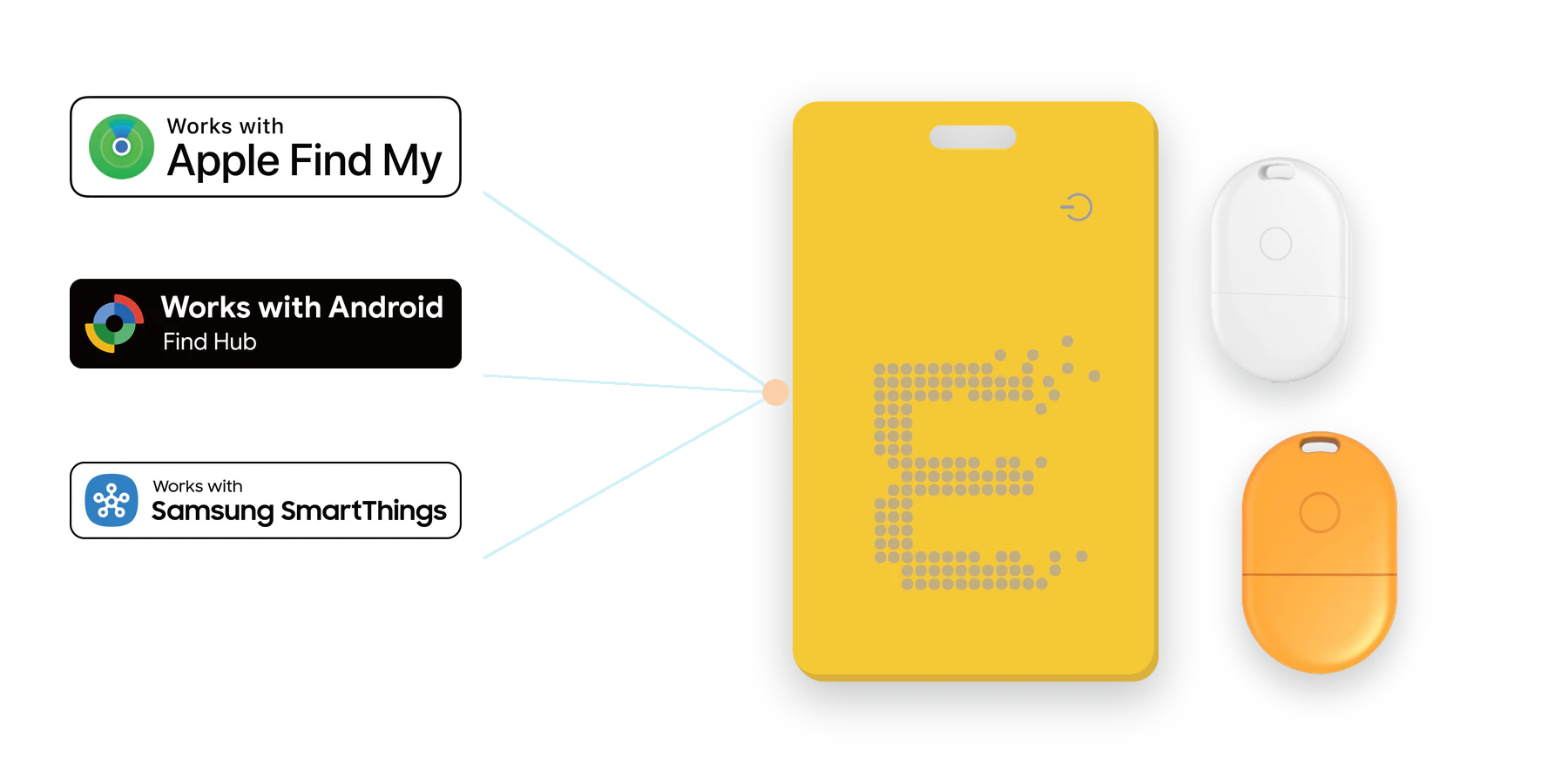

FindMy Solution / Ecosystem Comparison

How to Choose Apple, Google, or Samsung for a Tracker Product

Apple Find My, Google Find Hub, and Samsung SmartThings Find serve different phone users and sales markets. Selection depends on the target customer, channel, product form, and platform requirements, not chipset support alone.

The selected ecosystem affects pairing, app access, product claims, platform onboarding, testing, and the production schedule. Yuli recommends the suitable ecosystem for tracker cards, tags, light-energy cards, and embedded PCBAs based on the market, channel, and product form.
Apple Find MyGoogle Find HubSamsung SmartThings Find
Apple, Google, and Samsung finding ecosystems with Yuli tracker cards and tags
Apple Find My

Apple Find My

Fits projects for iPhone users, overseas channels, strong user recognition, and branded consumer electronics. Common forms include tracker cards, luggage labels, Tags, and embedded tracker modules.

Focus on pairing, platform onboarding, low-power states, buzzer performance, antenna clearance, and compliant product claims.
Google Find Hub

Google Find Hub

Fits Android user groups and cross-platform brand projects. Common forms include Tags, tracker cards, sports and health accessories, luggage accessories, and enterprise asset devices.

Focus on Android channels, device form, chipset platform, product naming, sales region, and production tests.
Samsung SmartThings Find

Samsung SmartThings Find

Fits Samsung ecosystem channels and regional market projects, including child item tracking, personal item tracking, enterprise assets, and embedded modules.

Focus on SmartThings ecosystem fit, hardware structure, low-power strategy, acoustics, and production validation.

Hardware, onboarding, testing, and product claims differ by ecosystem

All three ecosystems require BLE hardware, antenna, buzzer, battery, button, an enclosure or cold-pressed body, finished-product testing, and platform-compliant product claims.

Comparison criteriaTarget phone ecosystem, sales region, product form, compliance launch path, low-power requirement, and production test plan.
Shared hardwareBLE, antenna, buzzer, battery, button, enclosure or cold-pressed body, and outgoing tests.
Product claims and certificationSelecting an ecosystem does not mean certification is complete. Product claims must follow the approved status of each product.
Related contentLow-power design · Standard tracker card · RFQ

Primary sources

Use official developer documentation for ecosystem capabilities and access requirements.

These official sources explain network behavior, accessory specifications, and device onboarding. Certification, authorization, and compliance follow the current requirements of each platform.

Confirm the target market and phone ecosystem before submitting an RFQ

Share the target market, phone ecosystem, sales channel, form factor, and expected volume to determine whether Apple, Google, Samsung, or a private BLE solution is suitable.