
Advanced Cold-Press Manufacturing
Advanced Cold-Pressed Smart Card Manufacturing
Room-temperature potting and pressing integrate PCBA, batteries, buzzers, e-paper, NFC, BLE, UWB, LoRa, and sensors into smart cards and labels.
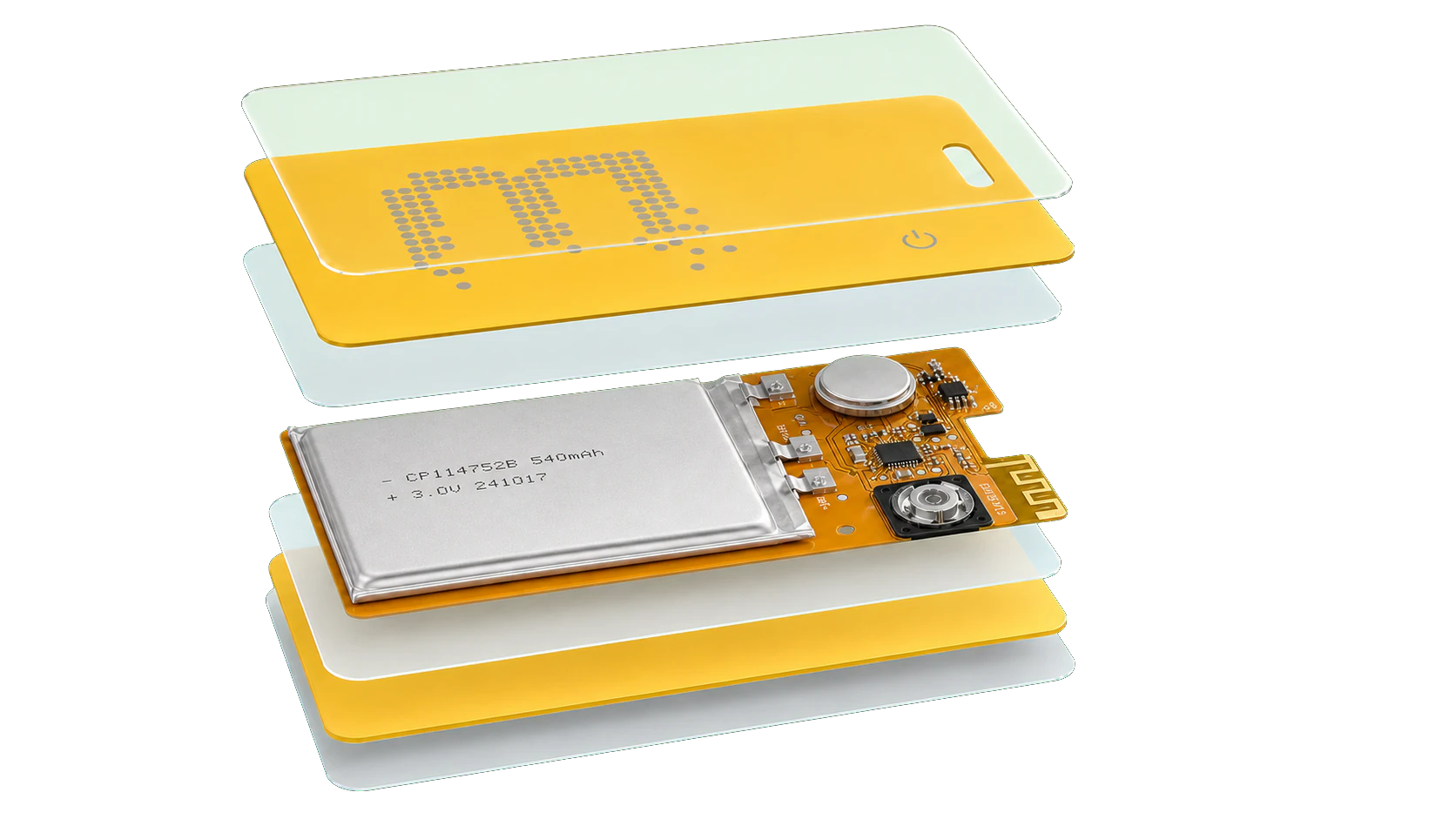
At Yuli, cold lamination smart card manufacturing combines controlled potting, room-temperature pressing, curing, and finished-product validation to integrate heat-sensitive electronics into thin card structures. We retain cold press and cold-pressed smart card as established terms for this manufacturing method.
Room temperatureLower thermal exposure for sensitive components
Thin structuresEvaluated against component stack-up and target thickness
Protection testingDefined by product use and agreed test requirements
Prototypes and pilot buildsSupports appearance variants before volume production
Cold-Pressed Card Manufacturing Process
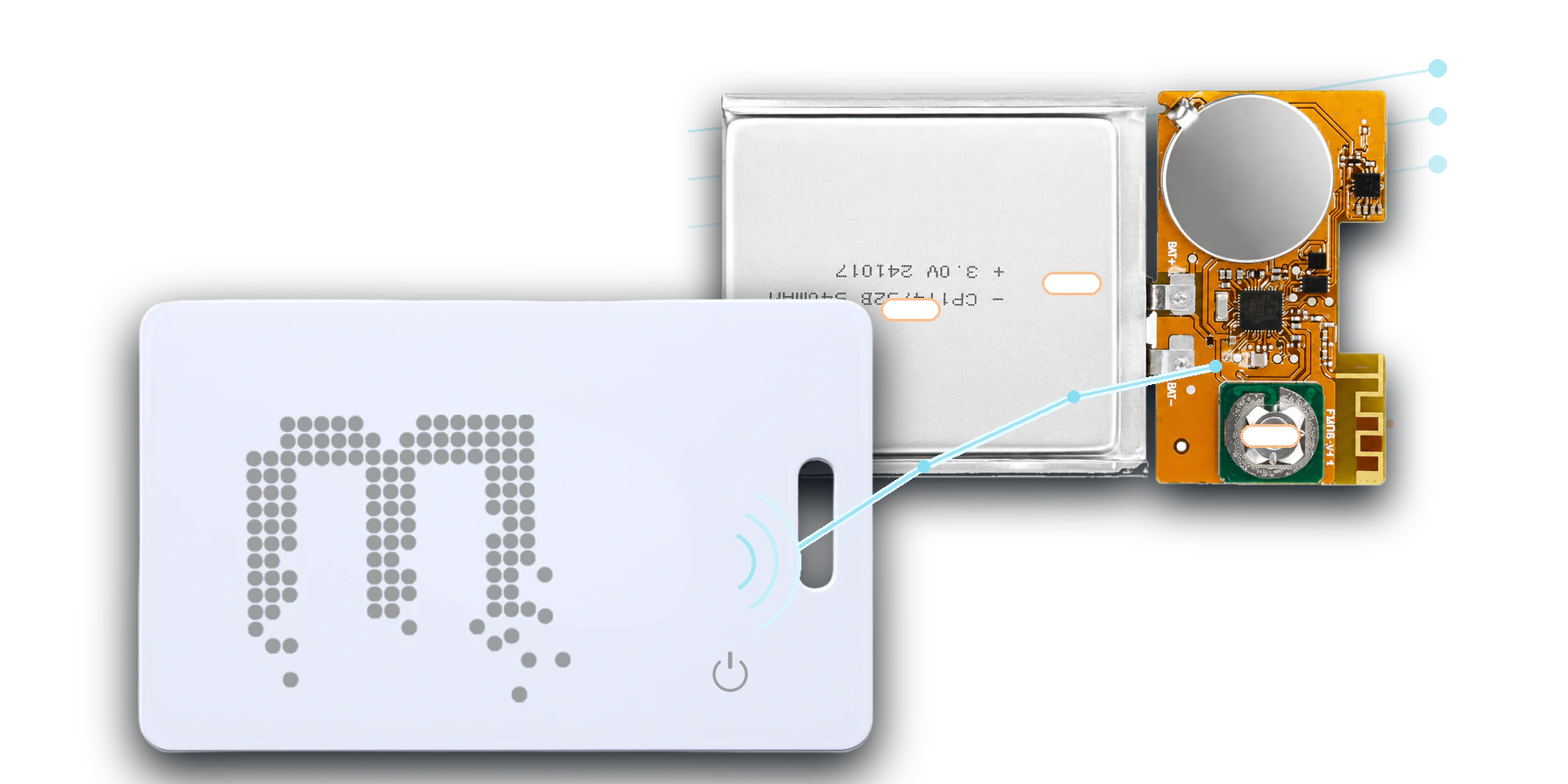
After assembly and functional testing, the PCBA is potted and pressed at room temperature. The compound fills spaces around components and supports the complete module within a card or label body.
Adhesive potting
Perform adhesive potting at room temperature so key structural areas are evenly covered.Room-temperature pressing
Cure the adhesive through room-temperature pressing and reduce thermal impact on components.Product Structures for Cold-Press Manufacturing
When space is limited and the product includes batteries, antennas, buzzers, displays, or sensors, cold pressing addresses component stack-up, encapsulation, and surface forming in one manufacturing process.
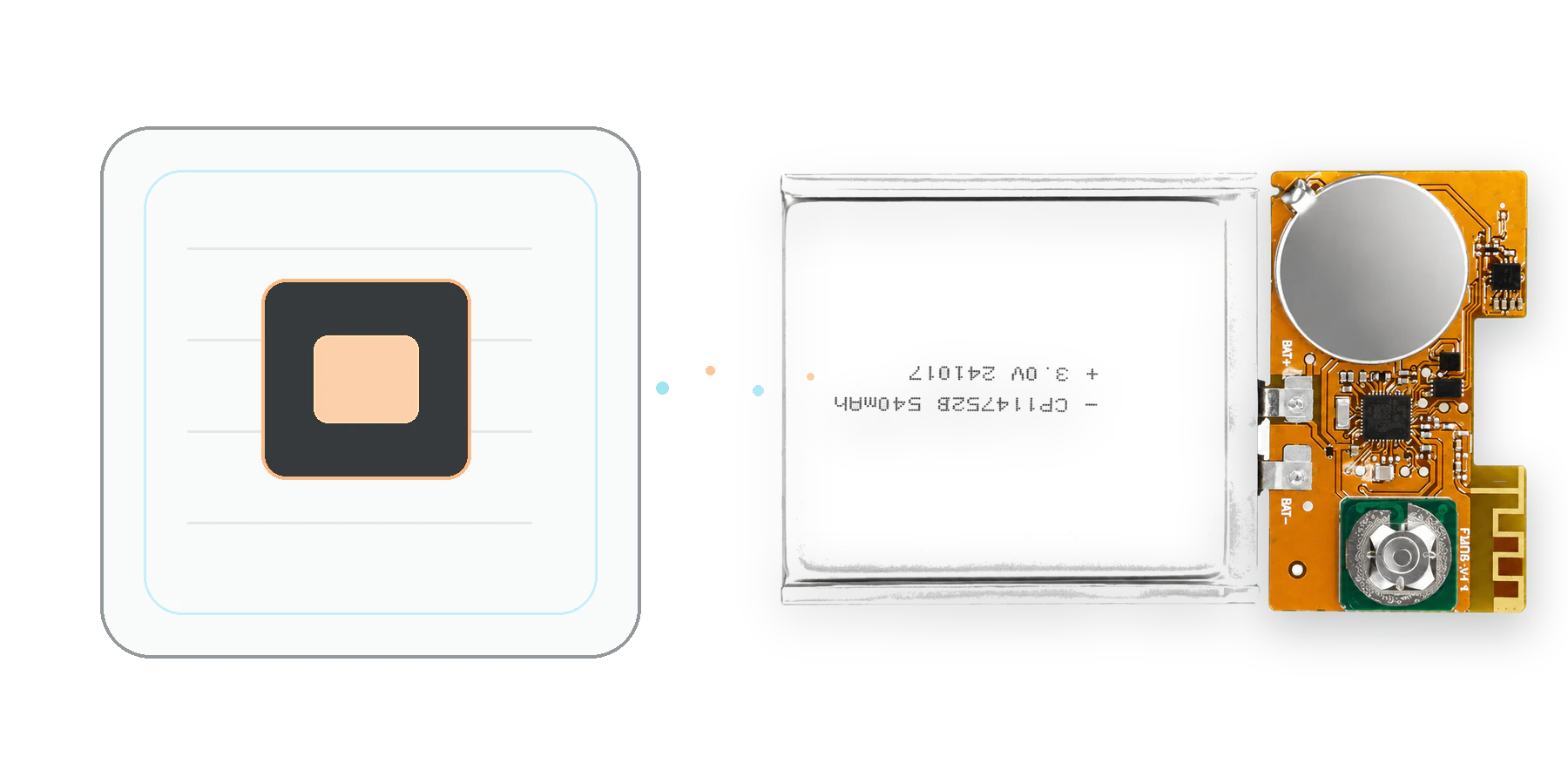
Thin card-body design
Internal space is allocated from the actual PCBA, component, and battery stack-up for tracker cards, badges, display cards, and thin labels.Compound protection around critical components
Adhesive encapsulation protects batteries, PCBA, and components against moisture, dust, and daily impact.Card graphics and display windows
Color, printing, windows, and local features are produced to customer drawings for prototypes and multi-version pilot builds.Supports multi-component stack-ups
Supports structural design around e-paper, ultra-thin lithium batteries, light-energy panels, biometrics, and wireless modules.Cold Press vs Hot Lamination
Traditional hot lamination suits simpler card structures with defined heat tolerance. For products containing batteries, e-paper, sensors, or multi-layer PCBAs, room-temperature cold pressing can reduce thermal exposure. The final process still requires material and structural validation.
Advanced cold press
Traditional hot lamination
Cold-Pressed Card Production and Quality Control
Production starts with incoming PCBA and functional checks, followed by potting coverage, pressing stability, RF, acoustics, waterproofing, pressure resistance, and card appearance inspection.
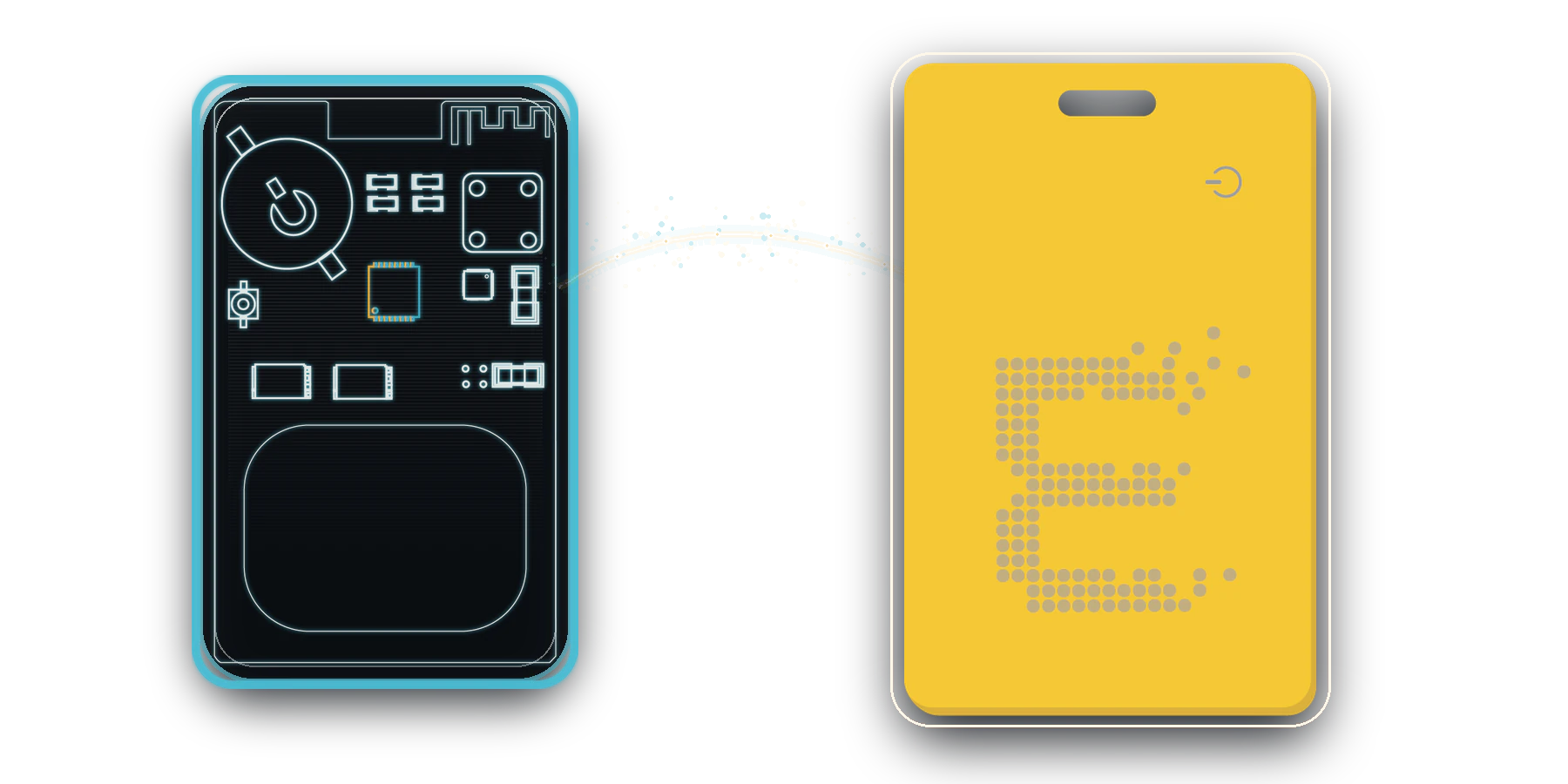
SMT/DIPPCBA production and module assembly.
PCBA testConfirm circuit and module status before pressing.
Sheet inspectionCheck top sheet, bottom sheet, printing, and window positions.
Potting and pressingControl coverage, voids, overflow, and deformation.
Final testValidate function, appearance, RF, sound pressure, waterproofing, and pressure resistance.
ShipmentComplete sampling inspection, packaging, and delivery.
Cold-Pressed Smart Cards and Thin Electronic Products
Each product has different requirements for thickness, component height, display protection, antenna clearance, and acoustic cavity. Yuli evaluates structure and production against the customer’s appearance, dimensions, printing, functions, and validation requirements.
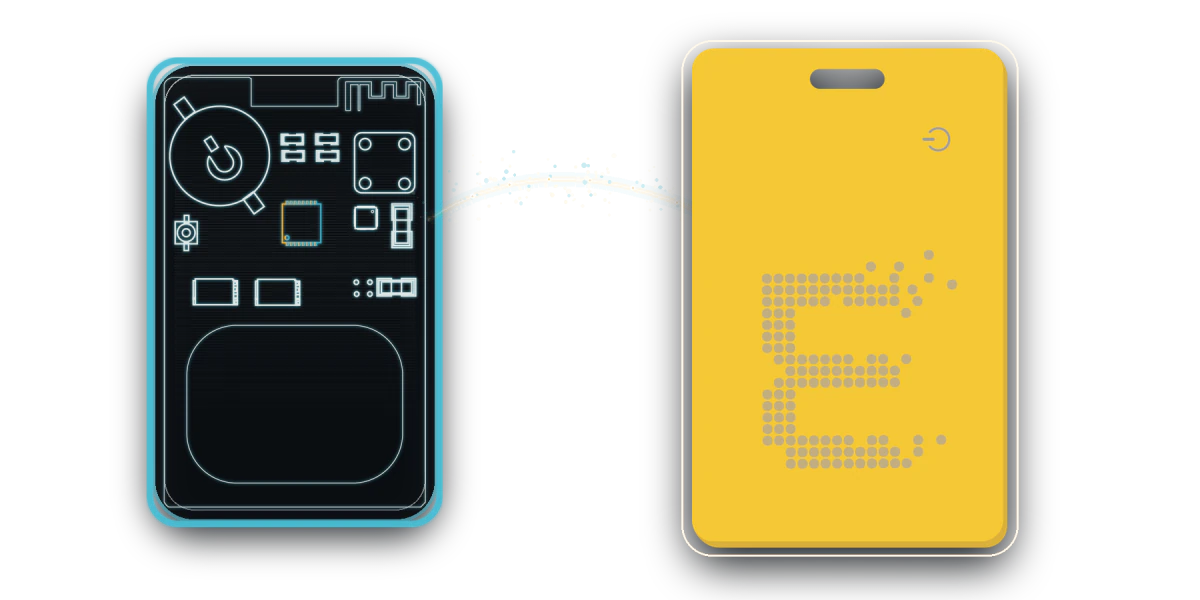
Standard tracker card
Integrates BLE, an ultra-thin battery, buzzer, button, and antenna into a cold-pressed card for Apple Find My, Google Find Hub, or Samsung SmartThings Find programs.
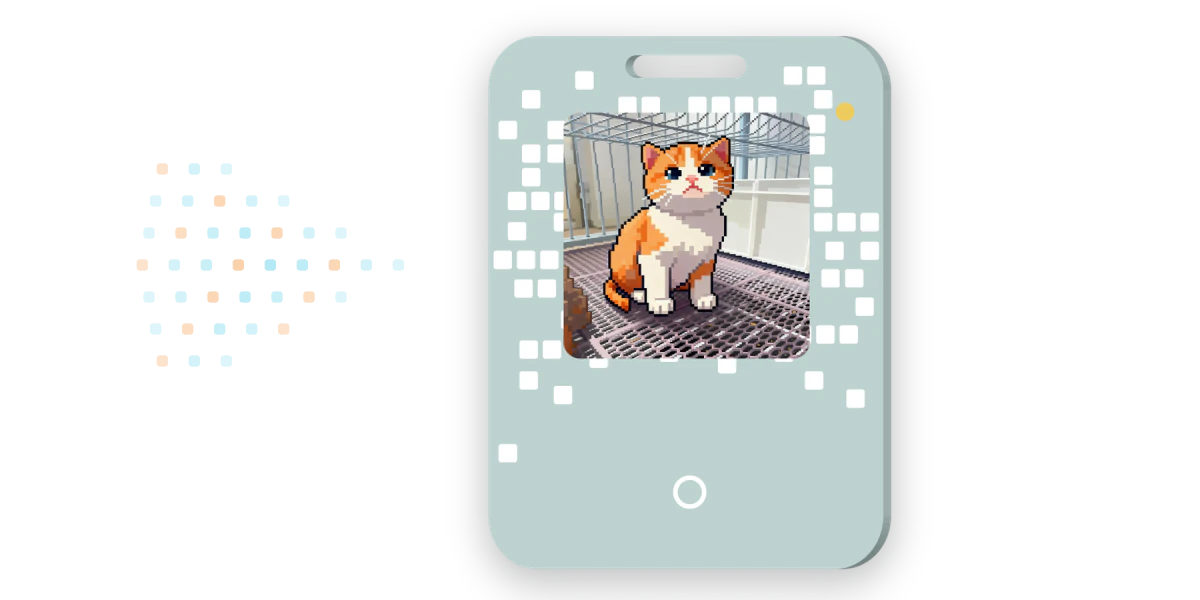
E-paper and payment display cards
Integrates e-paper, secure ICs, NFC, buttons, or biometric modules with attention to display protection, window accuracy, and card bending.

Smart badges and personnel cards
Combines e-paper, NFC, BLE, AOA, UWB, or LoRa for healthcare, campus, and personnel-management programs.
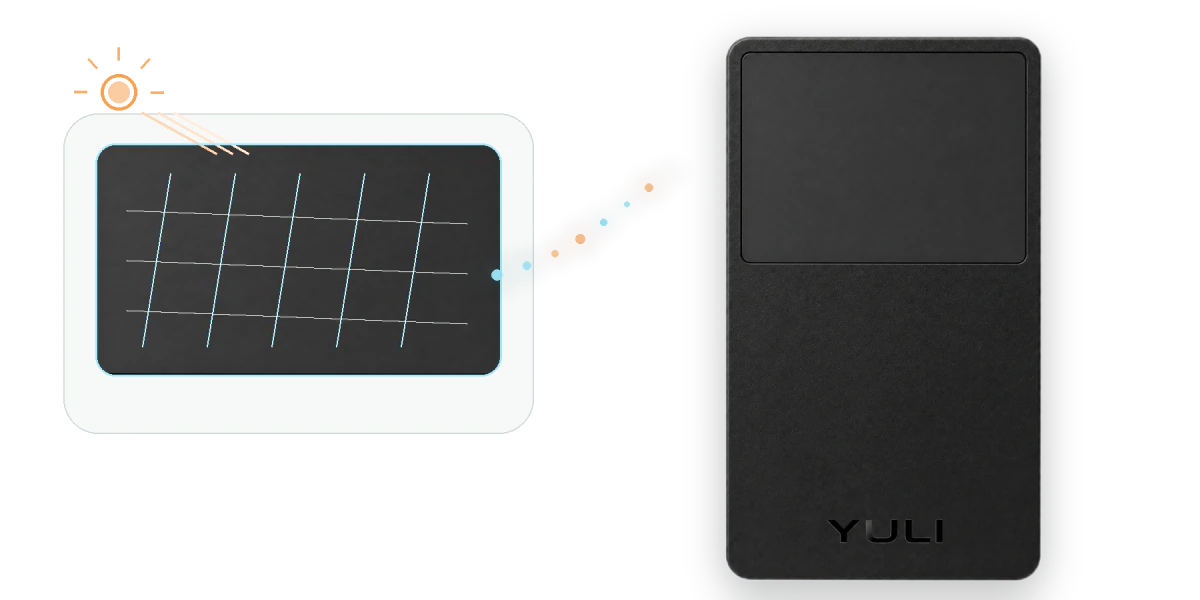
Light-energy trackers and asset labels
Integrates flexible PV, energy storage, and low-power hardware into a thin structure to supplement energy from ambient light and reduce maintenance.
Cold-Pressed Card Performance Validation
Beyond power-on and basic functions, validation covers wireless performance, acoustics, waterproofing, drop, pressure, and long-term reliability according to product use and customer standards.
RF performance
BLE advertising, connection stability, antenna clearance, and card material impact.Acoustic behavior
Buzzer cavity, sound port position, adhesive coverage, and enclosure damping.Structural reliability
Bending, pressure resistance, drop, edge sealing, waterproofing, and appearance consistency.Power strategy
Ultra-thin battery, supercapacitor, photovoltaic harvesting, standby current, and wake strategy.Cold-Pressed Card Project Enquiry
Share the product form, drawings, target thickness, module list, validation requirements, and volume range. Yuli will confirm the stack-up, acoustics, antenna layout, power design, protection requirements, and prototype plan.
Size and thicknessLength, width, target thickness, local protrusions, and window requirements.
Module listPCBA, battery, buzzer, e-paper, NFC, sensors, and photovoltaic layer.
Reliability requirementsWaterproofing, dustproofing, pressure resistance, drop, aging, and appearance consistency.
Production dataExpected volume, appearance variants, test fixture, packaging, and delivery schedule.
What is cold lamination smart card manufacturing?
Cold lamination smart card manufacturing is a room-temperature method for packaging electronic modules inside a thin card or label body. It suits PCBAs, ultra-thin batteries, buzzers, buttons, e-paper displays, NFC or BLE antennas, biometric modules, photovoltaic layers, and sensors that may be affected by conventional high-temperature lamination. After module assembly and electrical checks, a controlled potting compound fills the structure before face-layer alignment, room-temperature pressing, and curing.
Hot lamination instead bonds heat-tolerant card layers under a defined temperature-and-pressure profile. The cold lamination vs hot lamination decision depends on component heat and pressure limits, stack height, material behavior, target thickness, antenna and acoustic clearances, appearance, volume, and reliability requirements.
Finished cards should be checked for dimensions, flatness, appearance, power consumption, wireless performance, sound output, button or display operation, edge sealing, bending, drop, pressure resistance, and any project-specific environmental tests.
What products are suitable for cold press?
It suits thin products that integrate PCBA, battery, buzzer, e-paper, sensors, or wireless modules, including tracker cards, e-paper smart cards, e-badges, personnel cards, and flexible asset labels.
Is cold press always better than hot lamination?
No. Cold press is better for heat-sensitive modules and complex thin structures. For simple products with clear heat tolerance, hot lamination may still be more economical.
What information is needed for the first review?
Provide the target size, thickness, functional modules, target ecosystem, battery-life target, waterproofing and drop requirements, expected volume, and any available PCBA, drawings, or product references.