Resource Center

Resource center for cold-pressed smart cards and FindMy trackers.

This section brings together cold-press manufacturing, FindMy ecosystems, product selection, and RFQ material for sourcing, engineering, and brand teams.

The resource center covers cold-pressed smart card manufacturing, standard tracker cards, light-energy tracker cards, e-paper smart cards, smart badges, Apple Find My, Google Find Hub, Samsung SmartThings Find, and project inquiry material. The content is organized around real products and engineering questions.
2core capabilities
3finding ecosystems
6product options
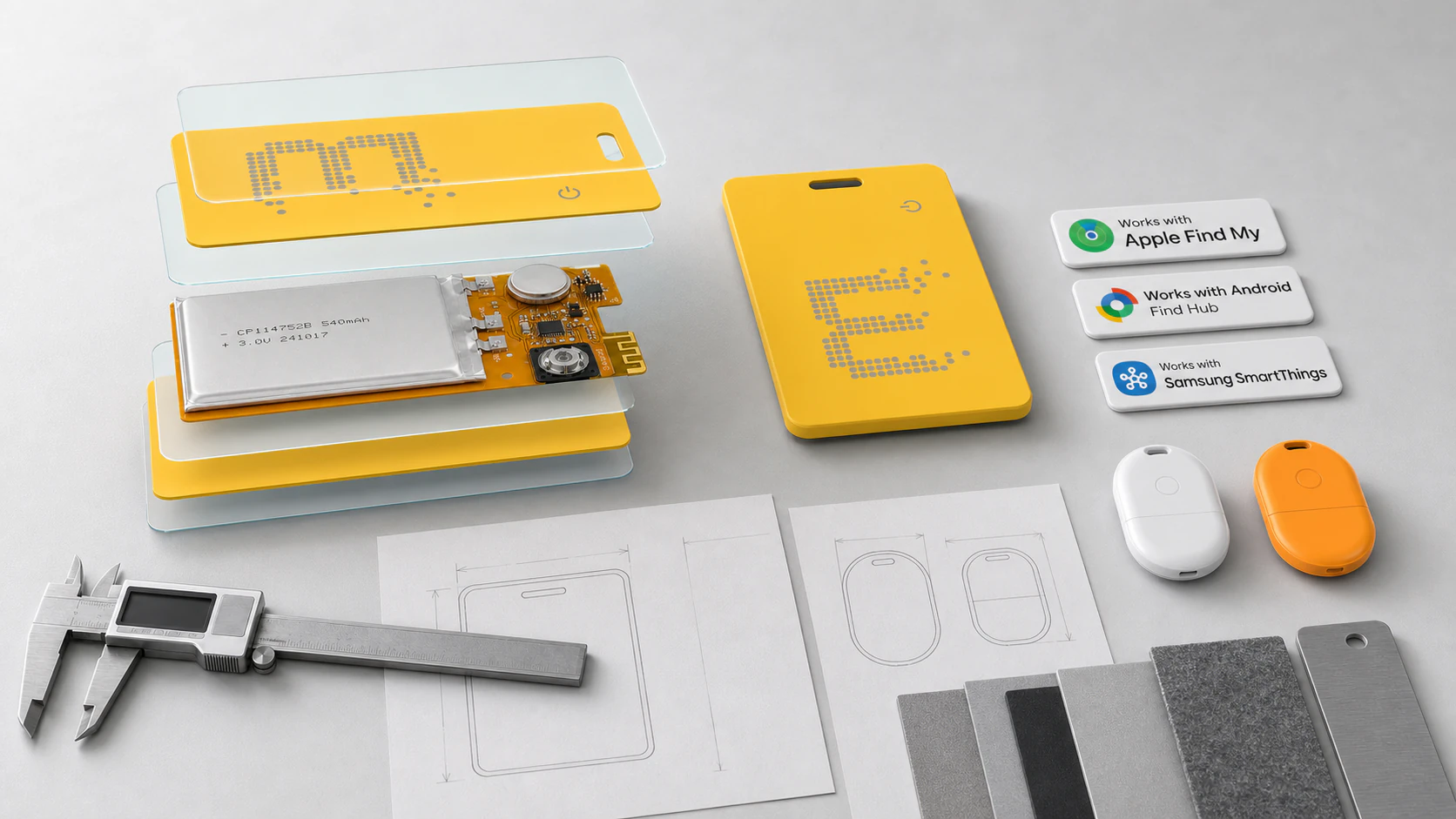
Cold-pressed card layers, Yuli PCBA, three FindMy ecosystems, engineering drawings, and RFQ measurement tools

Key materials for cold-pressed cards and FindMy trackers.

Cold-pressed cards and FindMy trackers are configured around structure, power, target ecosystem, testing, platform onboarding, and production requirements. These inputs directly affect prototype stability and shipment readiness.

Cold pressingUnderstand room-temperature potting, layered structure, PCBA integration, and heat-sensitive component limits.
FindMy ecosystemsCompare Apple Find My, Google Find Hub, and SmartThings Find by platform access, product form, testing, and approved product claims.
RFQ preparationPrepare the dimensions, thickness, target ecosystem, power source, wireless protocol, test requirements, and volume.
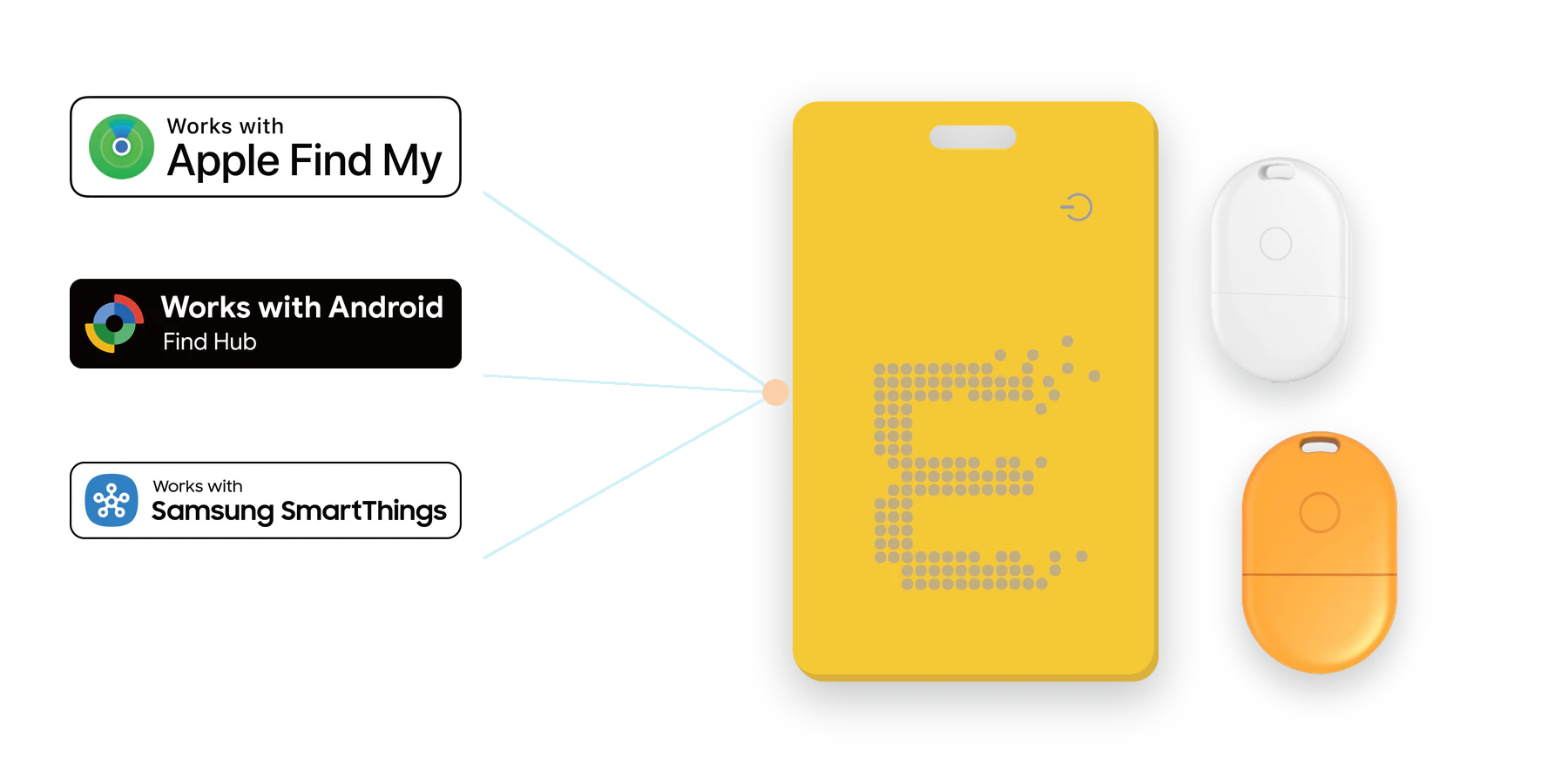
FindMy ecosystem solutions and tracker product formats

Key references from manufacturing process to product selection.

The resource center covers cold-press processes, three finding ecosystems, six product families, industry applications, testing tools, and RFQ requirements.

From process definition to inquiry, resources connect directly to business pages.

Cold pressing, FindMy ecosystems, battery-life design, product choice, and RFQ preparation connect to the related product, solution, and manufacturing pages.

Cold Press

What is cold-pressed smart card manufacturing?

Explain room-temperature encapsulation, layered structure, PCBA integration, suitable modules, and differences from hot lamination.

  • Cold-pressed smart card
  • PCBA cold pressing
  • Heat-sensitive components
FindMy

How to choose among the three FindMy ecosystems?

Compare Apple Find My, Google Find Hub, and SmartThings Find for cards, tags, light-energy products, and embedded modules.

  • FindMy Solutions
  • Google Find Hub
  • SmartThings Find
Battery

How should a standard tracker card be evaluated for a 5-year-class battery target?

Explain the relationship between low-power chipset, coprocessor, broadcast strategy, Find protocol stack, battery capacity, and test conditions.

  • Five-year-plus target
  • Low power
  • Project measurements
Data

How is five-year tracker-card battery life calculated?

Model protocol-cycle current, buzzer use, usable battery capacity, and design margin with an interactive estimator.

  • Battery-life model
  • Power conditions
  • Interactive estimator
Test

How is finished-product performance validated before and after cold pressing?

Compare BLE, NFC, buzzer SPL, and card thickness across baseline, finished-product, and post-reliability stages.

  • BLE / NFC
  • Acoustic testing
  • Thickness drawing
Energy

How can a light-energy tracker card prove its energy budget?

Record PV output, exposure, system load, and dark reserve for indoor, window-side, and outdoor scenes, then calculate the daily balance.

  • Energy budget
  • Three-scene testing
  • No-light reserve
Record

How is a standard PCBA redesigned into a thin cold-pressed card?

A structural record based on the real standard-card PCBA, 540 mAh battery, and white cold-pressed card sample.

  • Structural redesign
  • Production PCBA
  • Cold-pressed smart card
Product

What projects fit the standard tracker card?

Explain the fit through battery target, thickness, acoustics, antenna, ecosystem, and production consistency.

  • Standard Tracker Card
  • Cold-pressed card body
  • FindMy
Badge

Which technologies are available for smart badges?

Compare phone NFC badge workflows, e-paper ID cards, BLE/AoA location, UWB, LoRa, and the infrastructure required by each option.

  • E-Badge
  • Personnel location card
  • AOA/UWB
RFQ

What should be included in a tracker or cold-pressed card RFQ?

List the target ecosystem, dimensions, thickness, power source, wireless protocol, finish, testing, platform onboarding responsibilities, quantity, and target schedule.

  • RFQ Checklist
  • RFQ information
  • Prototype requirements

Core terms

These terms cover the concepts most often used in cold-press manufacturing, FindMy trackers, e-paper display, flexible photovoltaics, wireless protocols, and project inquiries.

Cold-pressed smart cardA thin card that integrates PCBA, battery, antenna, display, and other modules through room-temperature encapsulation and pressing.
FindMy trackerTracker hardware for Apple, Google, Samsung, and related finding ecosystems, commonly built as tags, cards, or embedded modules.
E-paperA low-power display technology for identity, status, balance, asset information, and badge fields.
Flexible photovoltaic layerAn energy-harvesting layer for light-energy tracker cards or asset labels, evaluated with lighting conditions and storage capacity.
BLEBluetooth Low Energy, commonly used in trackers, asset labels, smart badges, and personnel location cards.
AOA/UWB/LoRaPersonnel-location technologies for campus projects, selected by accuracy, infrastructure cost, and battery-life target.
IP68Ingress protection claims must be tied to product-specific test conditions and should not be treated as a default promise for every product.
RFQA sourcing brief covering dimensions, thickness, target ecosystem, protocol, power source, finish, quantity, and test requirements.

Resources for sourcing, engineering, and brand teams

Sourcing teams can compare products and production requirements, engineers can check structure, power, and wireless options, and brand teams can compare ecosystems and prepare an RFQ.

Process definitionExplain cold-pressed cards, room-temperature potting, layered structure, PCBA integration, and cold press versus hot lamination.
  • Cold pressing
  • PCBA
Finding ecosystemsCompare Apple Find My, Google Find Hub, SmartThings Find, and private BLE solutions.
  • Apple
  • Google
  • Samsung
Product and production requirementsExplain how battery life, IP68, waterproofing, light energy, buzzer cavity, and antenna clearance relate to project conditions and tests.
  • Battery life
  • Testing
Inquiry materialOrganize dimensions, thickness, target ecosystem, protocol, power source, finish, quantity, and schedule before product discussions.
  • RFQ
  • Project documentation

Prepare the key requirements before contacting Yuli

If the product form, target ecosystem, dimensions, power source, and estimated volume are known, submit an RFQ. If the product is not yet defined, start by describing the use case.