
5-year-classStandard tracker cards can be evaluated around a long-life target. Final performance depends on battery capacity, advertising strategy, acoustic behavior, and real usage.
Multi-Ecosystem FindMy Tracker Solutions
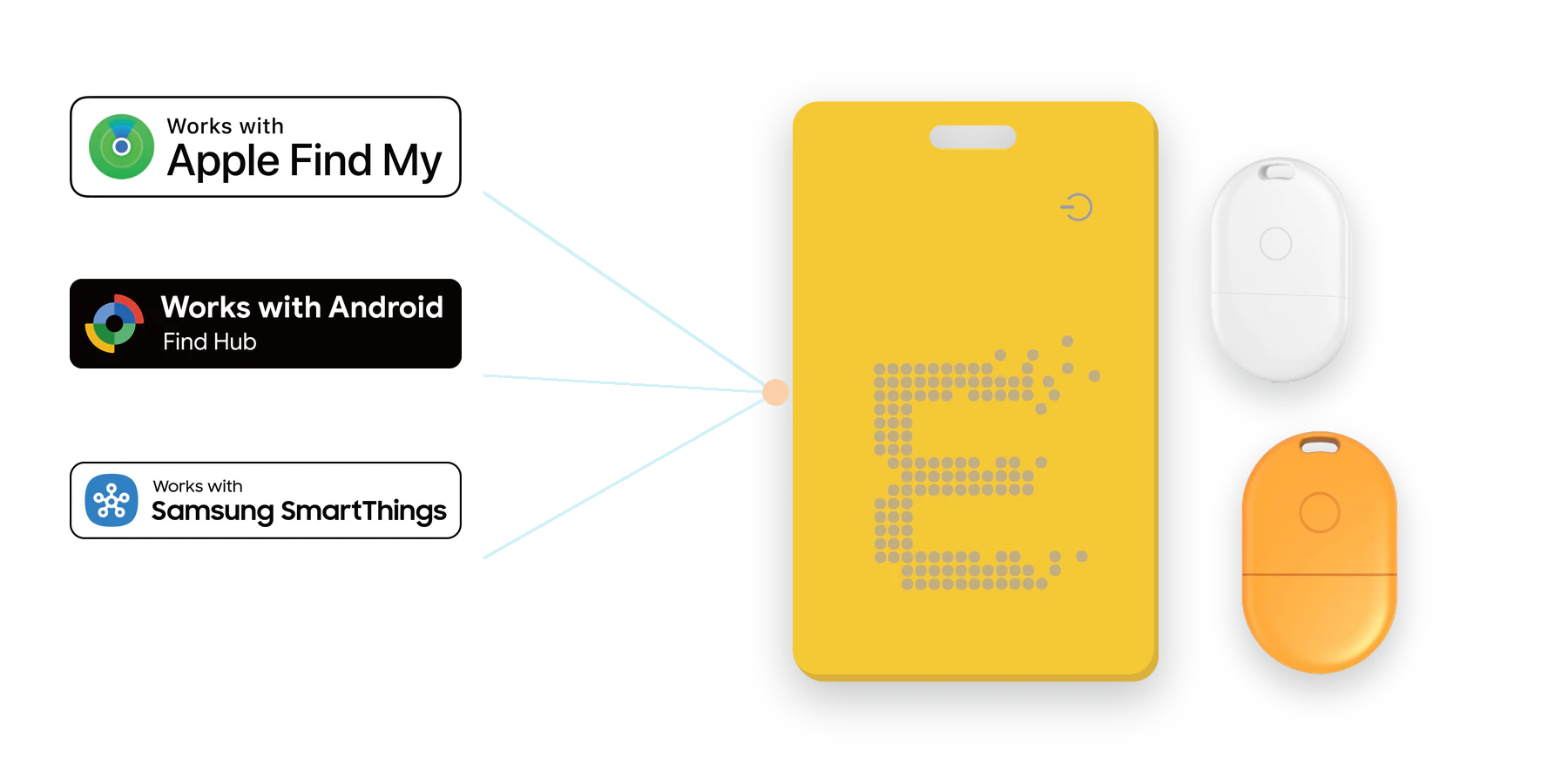
Tracker solutions for Apple Find My, Google Find Hub, and Samsung SmartThings Find
Yuli supports brands, solution providers, and product teams with solution customization for Apple Find My, Google Find Hub, and Samsung SmartThings Find, including low-power hardware, cold-pressed structures, and production launch.
5-year-classStandard tracker card target
Microamp-classLow-power state review
<7sReference pairing process time
How Finding Networks Work
How FindMy Trackers Work
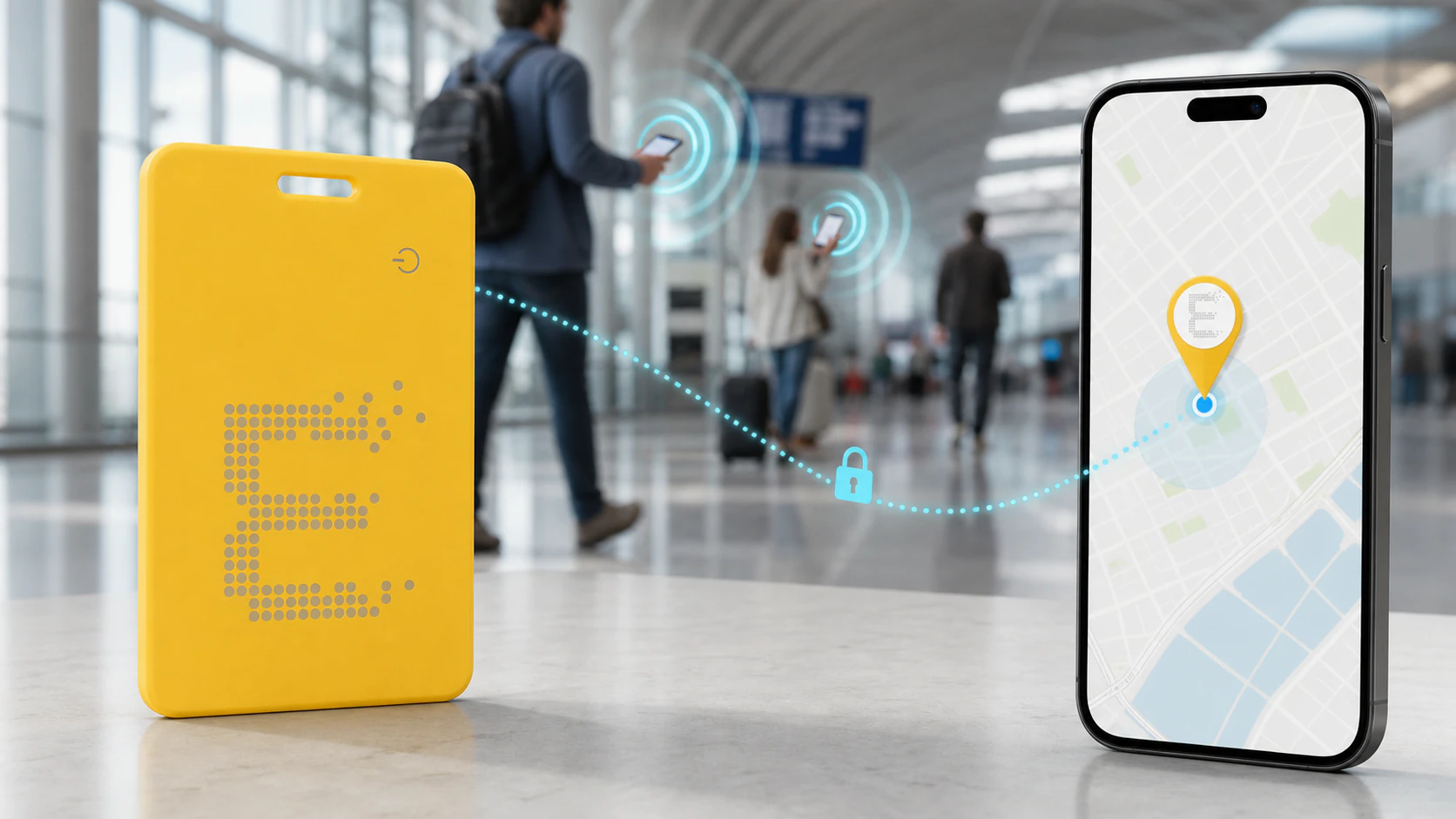
The tracker does not maintain a continuous GPS or cellular connection. It broadcasts an identifier over Bluetooth Low Energy. A nearby participating device detects the signal and reports its location through the platform’s privacy and encryption mechanisms, allowing the owner to view the item in the corresponding app.
Platform access, pairing, advertising formats, privacy mechanisms, and testing differ across the three ecosystems. Stable BLE RF performance, low standby current, and reliable power management are common hardware requirements.
Apple Find My, Google Find Hub, and Samsung SmartThings Find serve different markets and phone users, with separate platform onboarding requirements.



Ultra-Low-Power and Long-Battery-Life Design
Trackers often remain in wallets, luggage, keys, and assets for long periods. Yuli breaks down pairing, connection, Nearby, Separated, ringing, and standby current so standard tracker card projects can be designed around a five-year-plus battery-life target.
Low powerReduce daily power through chipset platform, coprocessor, protocol stack, and advertising strategy.
NearbyNearby and Separated states directly affect daily battery life.
PairingThe pairing advertising window must balance response speed and power consumption.
PrivacyMechanisms such as Rotating Key should be designed together with low-power strategy.
Apple, Google, and Samsung Finding Ecosystems
Apple Find My serves iPhone users, Google Find Hub serves Android users, and Samsung SmartThings Find serves Samsung device users. Yuli evaluates the chipset platform, low-power strategy, structure, antenna, acoustics, and production tests for the selected ecosystem.
Apple Find My
Suitable for branded tracker cards, tags, luggage products, and embedded devices. Key checks include ecosystem path, low power, buzzer, antenna clearance, and cold-press thickness.Best for products that need strong user recognition and overseas channel potential.
Google Find Hub
Designed for Android user groups and suitable for tags, tracker cards, asset labels, and customer-owned enclosures.Best for Android market coverage and channel-driven product lines.
SmartThings Find
For Samsung ecosystem and regional custom projects. Key checks include structure, power states, acoustic cavity, enclosure, and cold-press feasibility.Best for Samsung ecosystem products and channel-specific customization.
Tracker Power Options
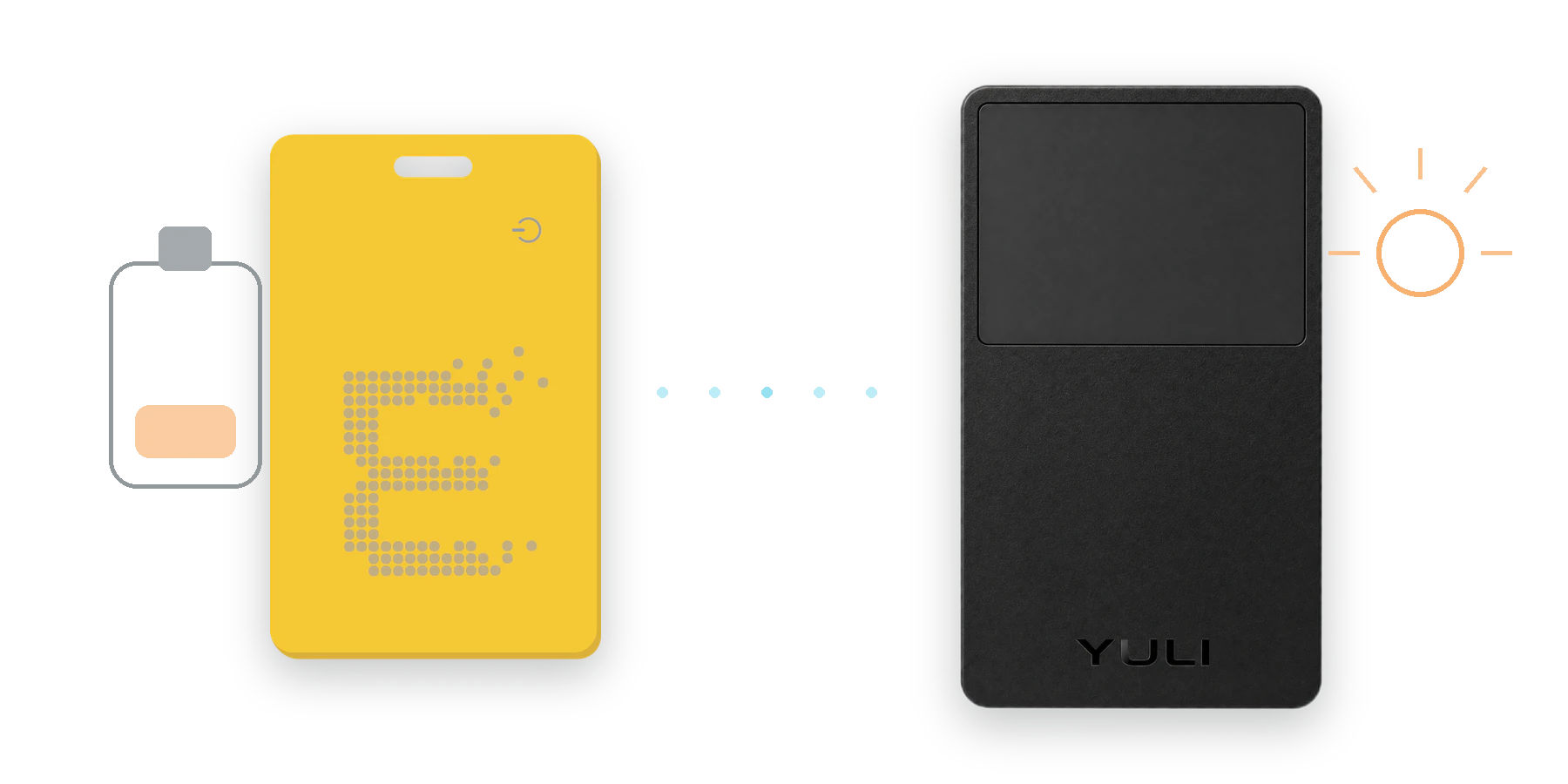
Primary-cell designs prioritize ultra-low average current, rechargeable designs suit products with access to charging, and light-energy designs use flexible photovoltaics and energy storage to reduce maintenance.
Ultra-low-power battery
Suitable for tracker cards, wallet cards, tags, gift cards, and embedded PCBAs.Rechargeable power
For high-frequency use or products sensitive to battery replacement, including wireless or magnetic charging structures.Light-energy harvesting
Combines flexible solar, dynamic harvesting, supercapacitors, and low-power strategy for long-cycle assets and card products.Tracker Product Formats
Form factor directly affects battery space, antenna clearance, acoustic cavity, buttons, and production testing, so cards, tags, labels, and embedded PCBAs require separate structural evaluation.
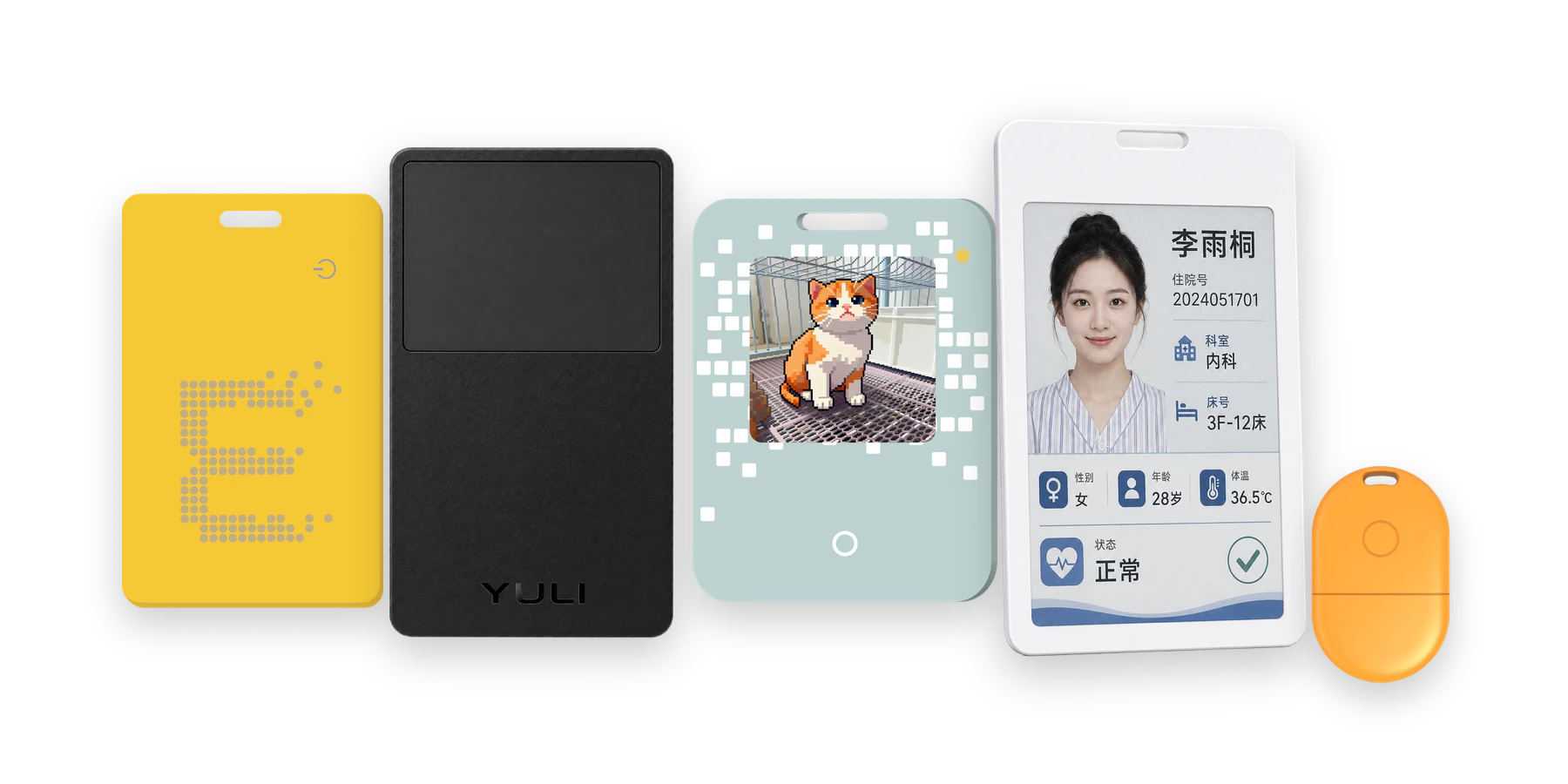
Standard tracker card
Focused on a 5-year-class battery target, thin cold-pressed structure, buzzer cavity, and wallet reliability.Standard tag
For keys, luggage, pet accessories, branded gifts, and channel tracker products.Light-energy card
For cards, labels, and long-cycle asset projects that need less battery maintenance.Embedded PCBA
Designed for luggage, consumer electronics, tools, equipment, and customer-owned enclosures.Thin Tracker Hardware Design
As the product becomes thinner, tradeoffs between battery space, antenna clearance, buzzer cavity, and structural strength become more pronounced and must be evaluated within one device design.
Control and securityBLE SoC, secure element, ultra-low-power coprocessor, and ecosystem-required modules.
Interaction modulesBuzzer, button, LED, e-paper display, and product status feedback.
Power modulesPrimary battery, rechargeable battery, supercapacitor, and flexible photovoltaic layer.
Structure modulesCard body, enclosure, sound port, waterproof sealing, antenna clearance, and cold-press packaging.
FindMy Tracker Power Evaluation
Average FindMy tracker power includes pairing, connection, Nearby, Separated, Rotating Key, ringing, and standby. Yuli calculates current, advertising frequency, and wake behavior by state, then validates the battery-life target with prototypes and finished-device testing.
FindMy Project Enquiry
Share the target ecosystem, sales market, form factor, dimensions, battery plan, required functions, and expected volume. Yuli will respond with suitable hardware platforms, structural limits, power targets, prototype scope, and validation requirements.
EcosystemApple Find My, Google Find Hub, SmartThings Find, or a custom BLE solution.
Form factorTag, standard tracker card, light-energy card, e-badge, or embedded PCBA.
Structure and testingSize, thickness, acoustic cavity, antenna, battery, lighting, waterproofing, and drop tests.
Production dataTarget volume, finish, packaging, test fixtures, and delivery schedule.