
State breakdownPairing, Nearby, Separated, Rotating Key, connected, and sleep states are modeled separately.
FindMy Solution / Low-Power Design
Low-Power and Long-Life Design for FindMy Trackers
Long FindMy tracker battery life is not a single-chip specification. It results from the chipset, coprocessor, protocol stack, advertising interval, ringing strategy, battery capacity, and available mechanical space.
Standard tracker cards are designed around a five-year-plus battery-life target. The power model covers pairing, Nearby, Separated, Rotating Key, connected, and sleep states, then validates performance with the selected ecosystem, firmware version, advertising behavior, buzzer use, and finished-device tests.
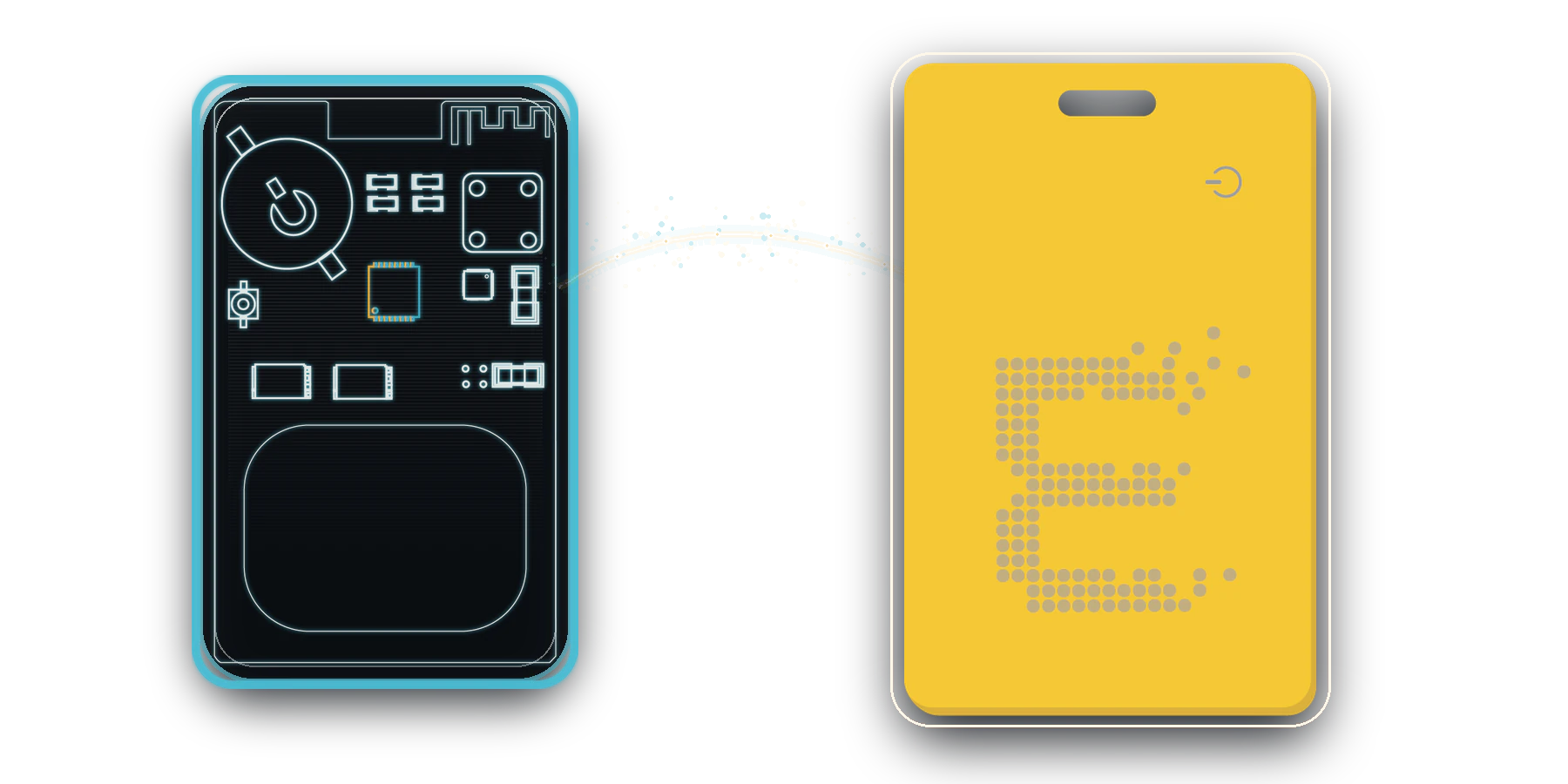
Silicon platformLow-power BLE SoC and coprocessor strategy define baseline current and wake behavior.
Advertising strategyAdvertising interval, window, and triggers affect discoverability and energy use.
Acoustic strategyBuzzer SPL, ring duration, and trigger frequency change real battery life.
Production testData from target firmware, target battery, and target structure supports production decisions.
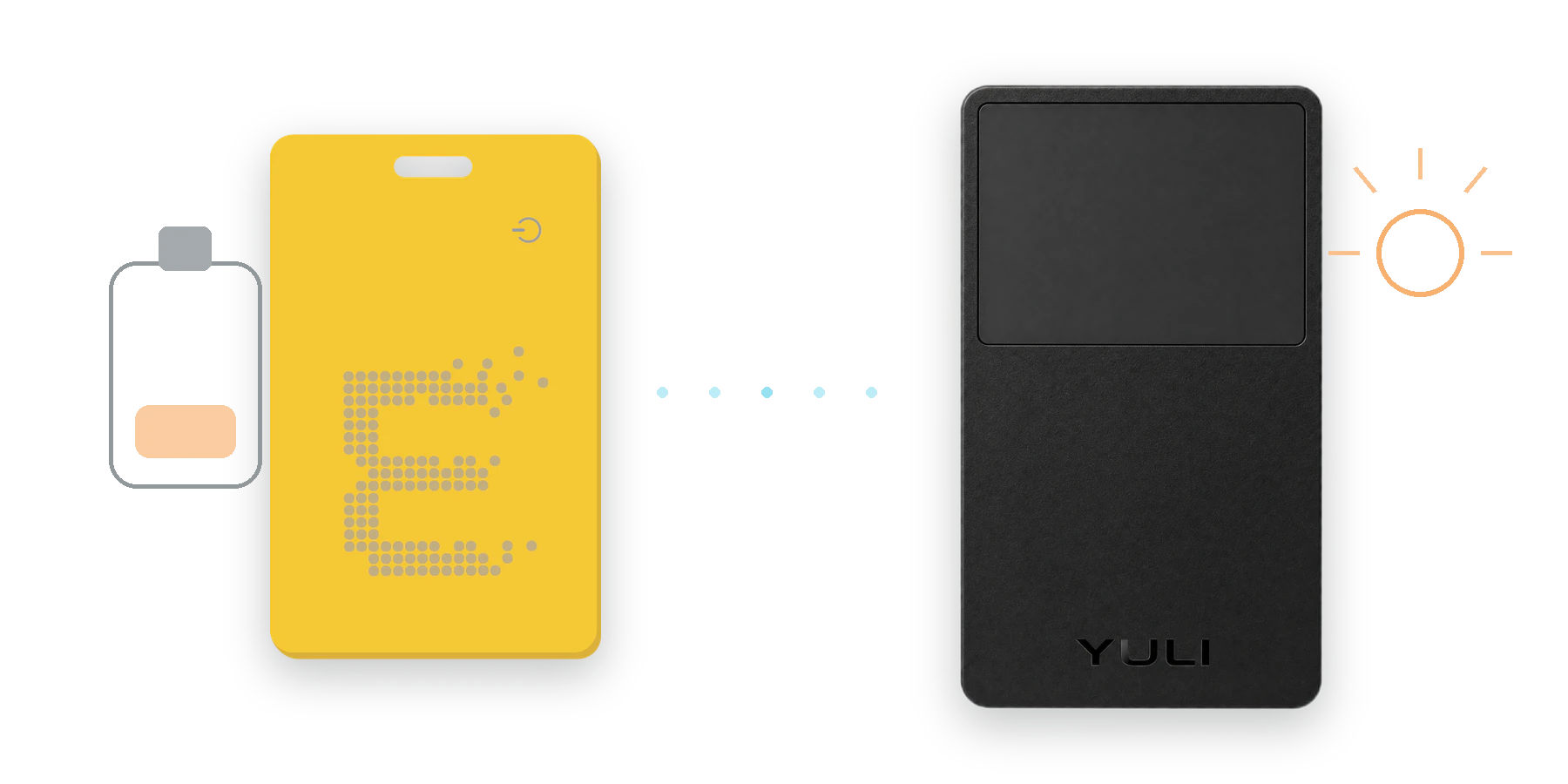
Low-power batteries and light-energy harvesting are the two primary paths
Low-power battery design
Fits standard tracker cards, Tags, card-holder accessories, and embedded tracker modules, with focus on standby current, advertising behavior, and acoustic triggers.
Light-energy design
Fits low-maintenance tracker cards, luggage labels, and asset tags, with focus on photovoltaic area, storage capacity, average current, lighting conditions, and harvesting strategy.
Battery-life data must include operating states and test conditions
Tracker battery life depends on ecosystem, advertising interval, ringing, battery capacity, temperature, and user activity. Results should state battery specification, operating states, test environment, and software version.
| Solution route | Apple Find My, Google Find Hub, or Samsung SmartThings Find. Projects outside these public finding ecosystems can be evaluated separately as custom BLE solutions. |
|---|---|
| Form factor | Standard tracker card, Tag, luggage label, light-energy card, embedded PCBA. |
| Power condition | Battery model, capacity, rechargeable or primary cell, supercapacitor, and photovoltaic harvesting. |
| Usage assumptions | Advertising interval, buzzer frequency, connection frequency, lighting condition, temperature, and test cycle. |
| Related content | Ecosystem comparison · Light-energy card · RFQ |