Stack-up
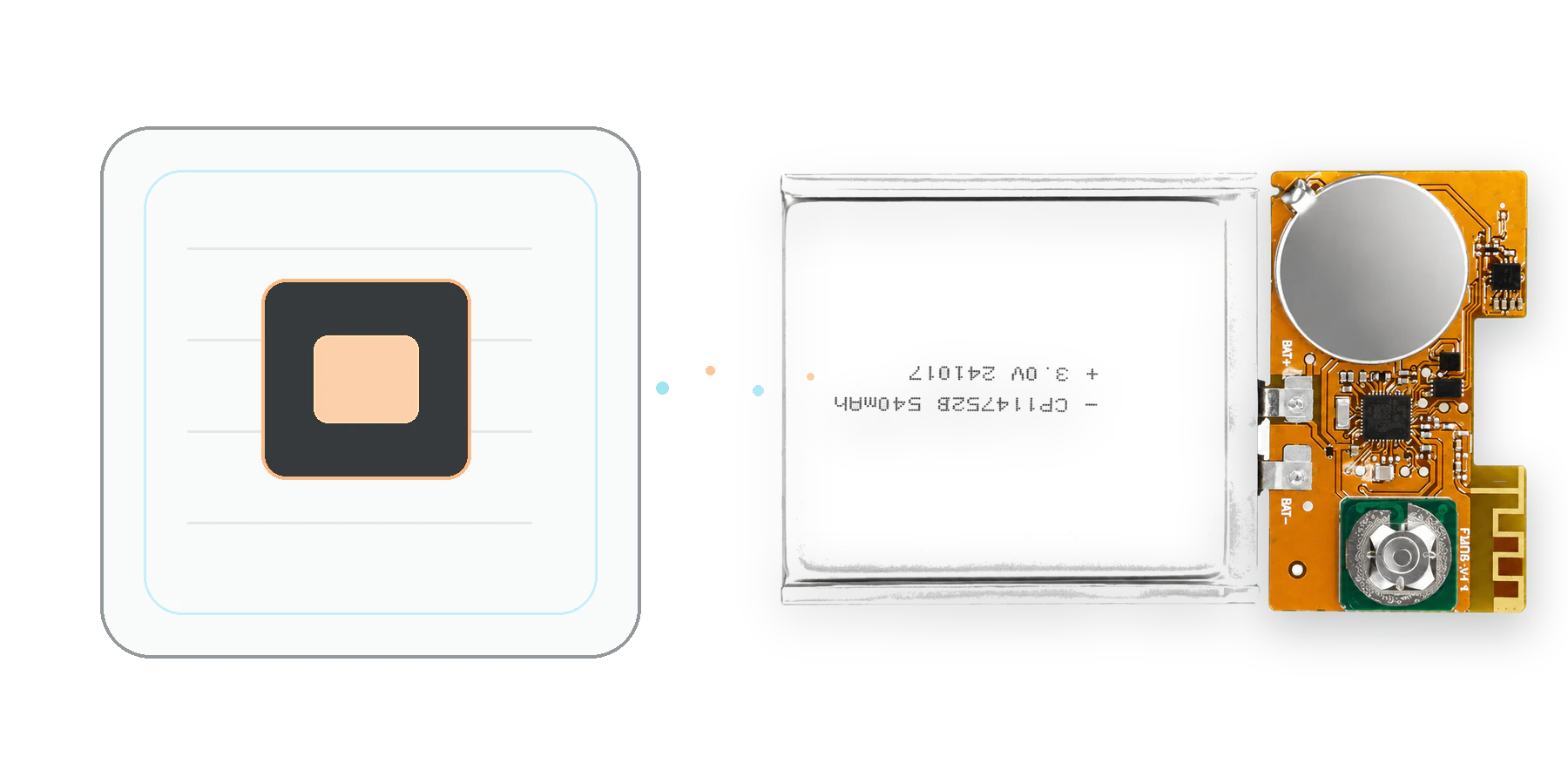
Define the height relationship among PCBA, components, battery, and surface layers for thickness and edge stability.
 Yuli Intelligent
Advanced Cold Press / PCBA Integration
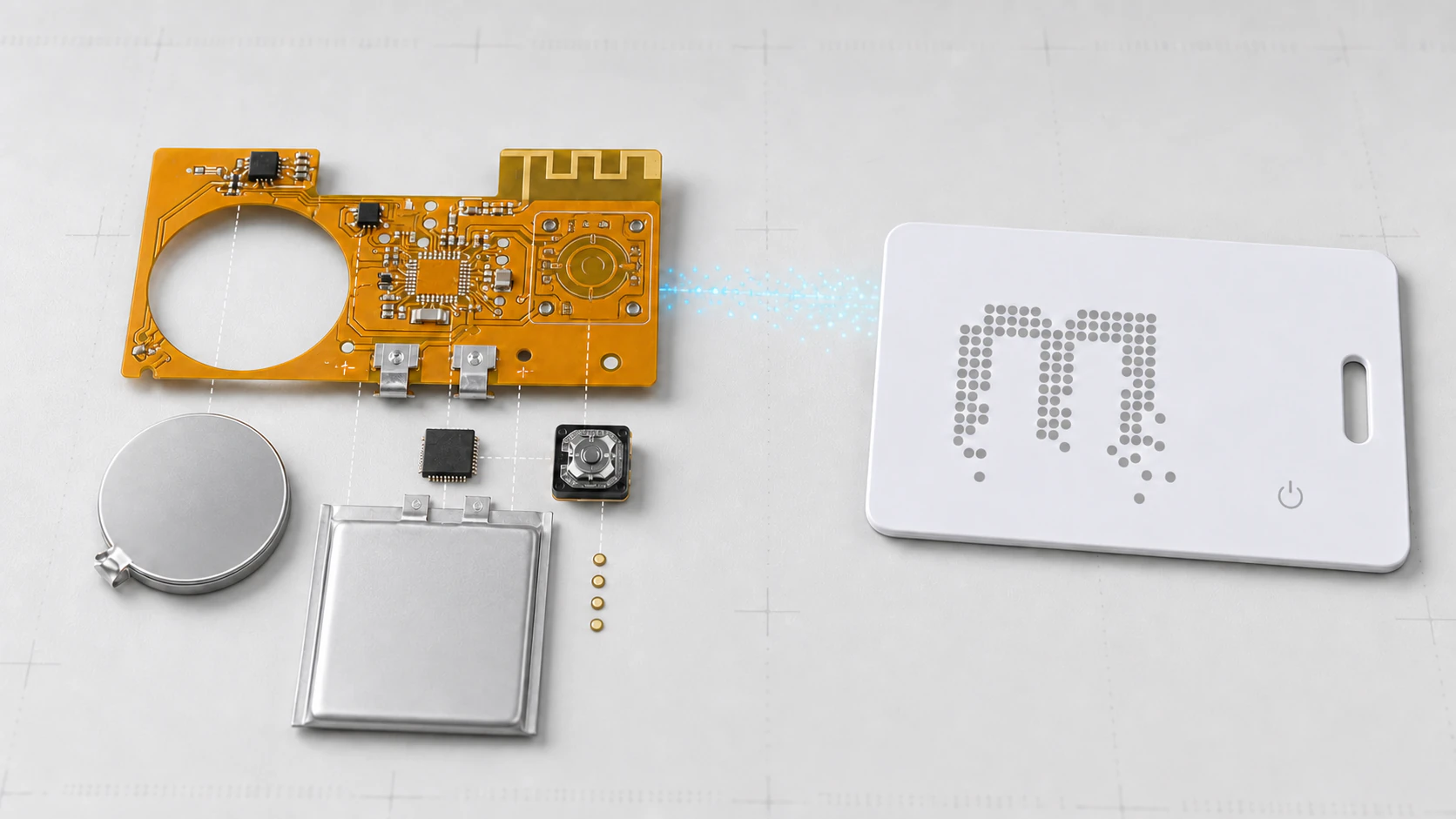
For customer projects with an existing chipset, module, or solution board, Yuli reorganizes the PCBA, battery, antenna, buzzer, display, and button into a cold-pressed card structure for prototyping and production.
Integration Scope
In a thin smart card, battery thickness, buzzer openings, button feel, e-paper protection, NFC/BLE antenna position, and test points all consume structural space and must be designed together with the PCBA.
Define the height relationship among PCBA, components, battery, and surface layers for thickness and edge stability.
Room-temperature potting covers key areas, protects sensitive parts, and keeps space for acoustics, antenna, and display window.
Define pre-pressing function tests, post-pressing RF/acoustic/display/power tests, and shipment consistency.
Share PCBA size, component height, BOM, antenna position, battery specification, target thickness, functions, appearance, validation requirements, and volume. Yuli will respond with feasibility, board-change recommendations, prototype scope, and production actions.