Use-Case Fit
Product and Wireless Technology Selection
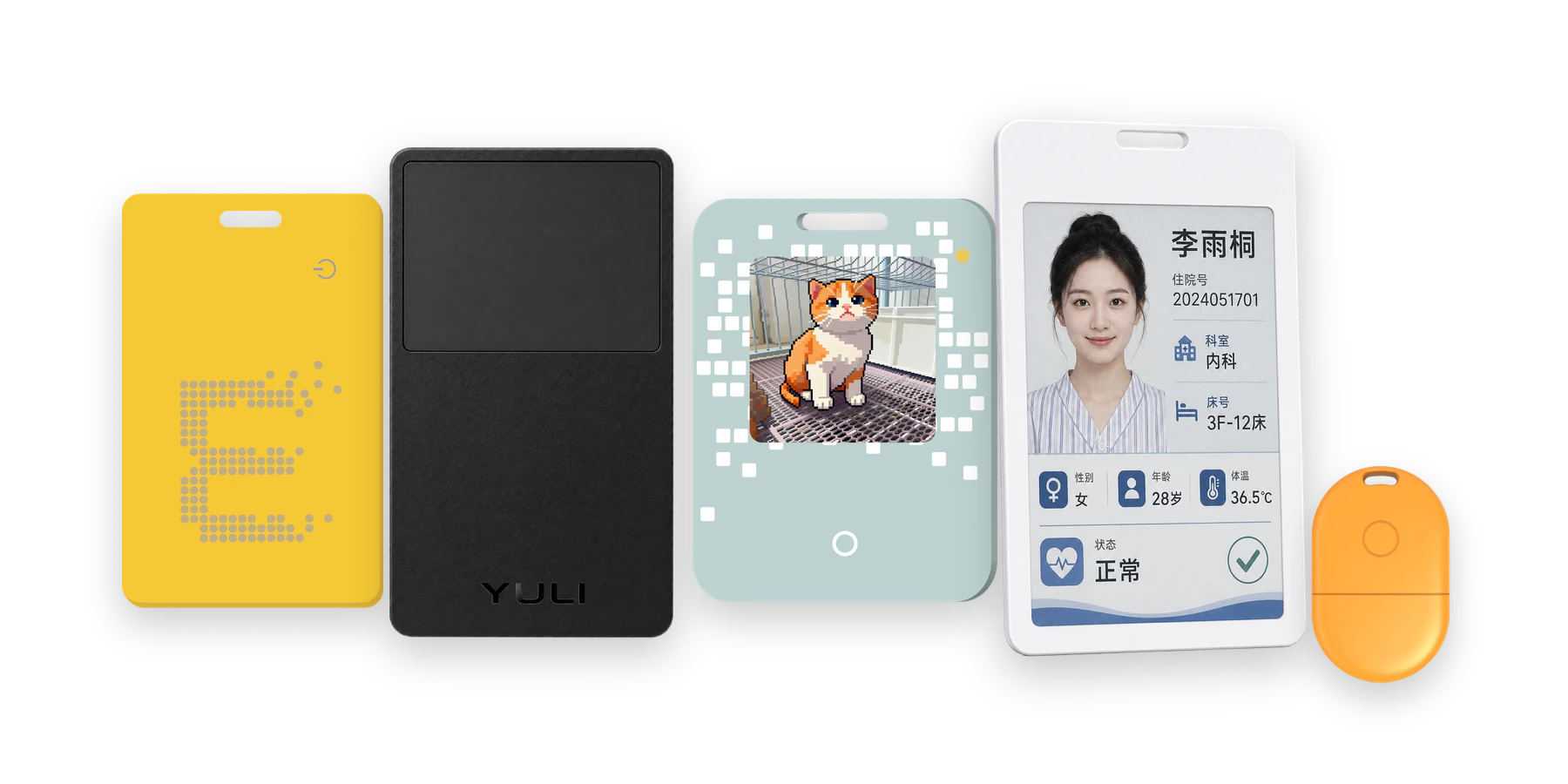
Wallet, luggage, and branded-gift programs can use standard tracker cards. Low-maintenance asset programs can use light-energy cards. Identity display and financial visualization can use e-paper smart cards. Workforce and campus programs can combine smart badges with BLE, AOA, UWB, or LoRa.
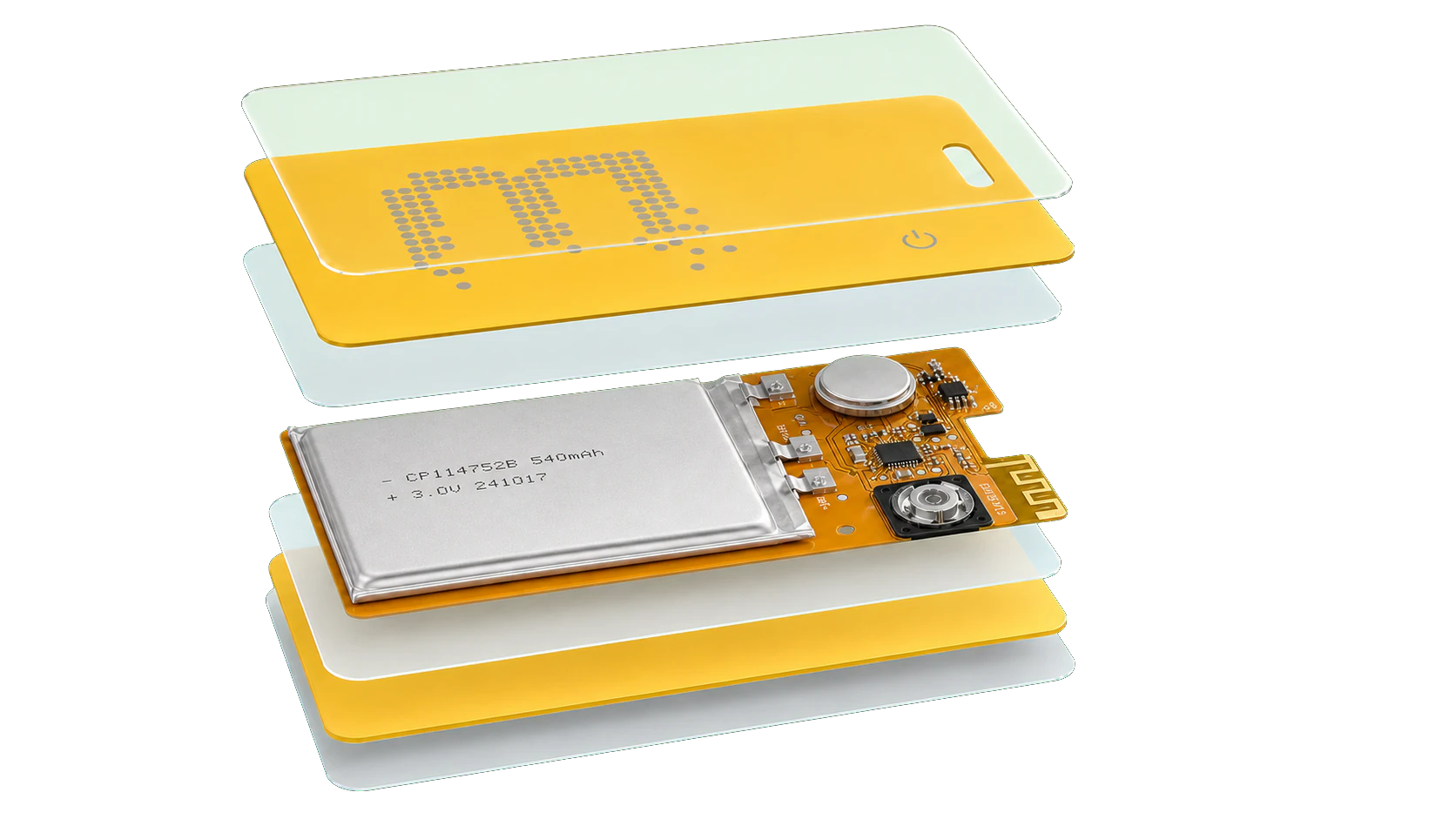
Standard Tag, card, giftChoose the standard tracker card. Confirm the five-year-plus battery target, power model, buzzer SPL, antenna clearance, and target ecosystem.
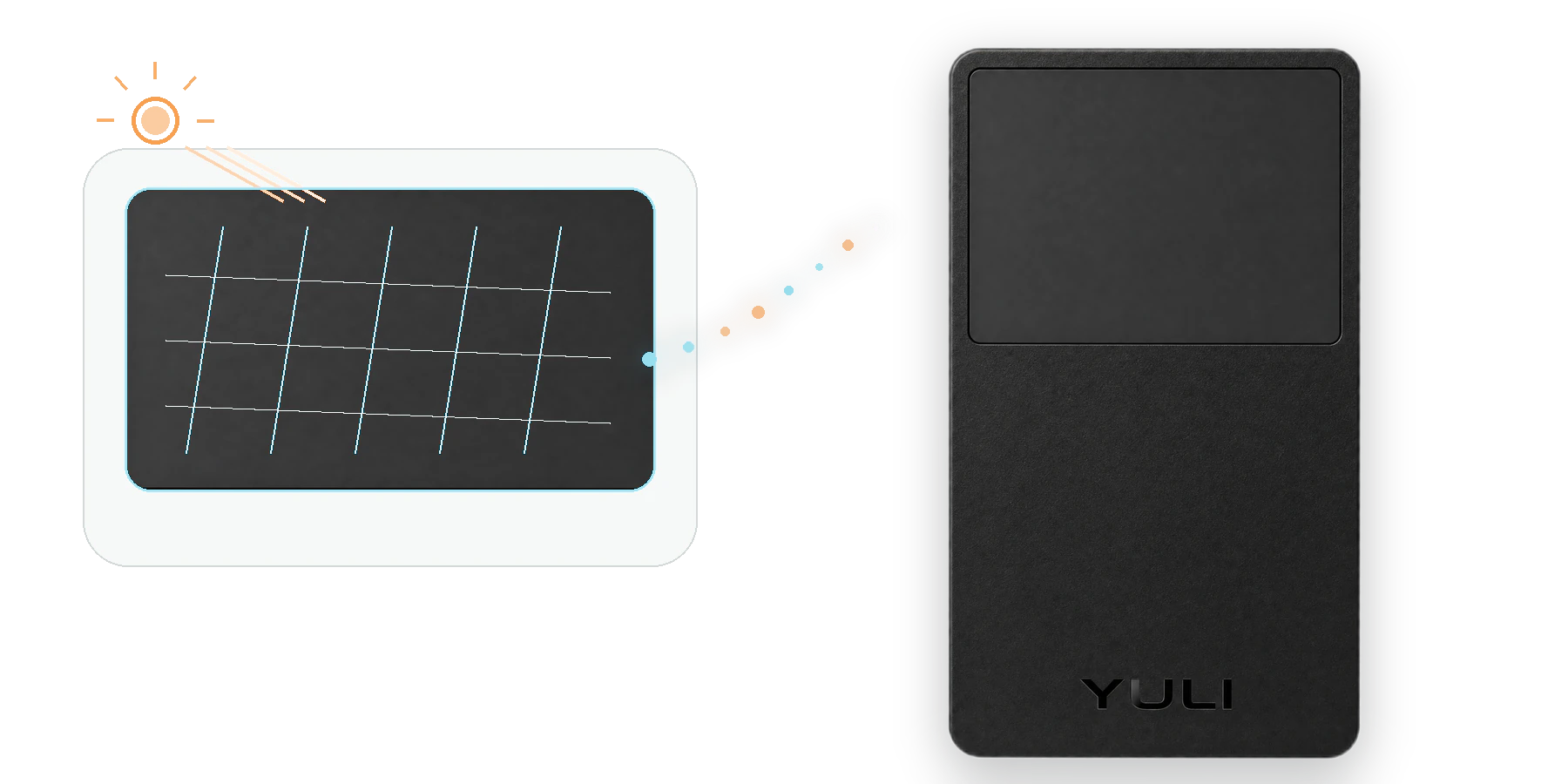
Low-maintenance trackerChoose the light-energy card. Check lighting condition, photovoltaic area, storage capacity, and standby current.
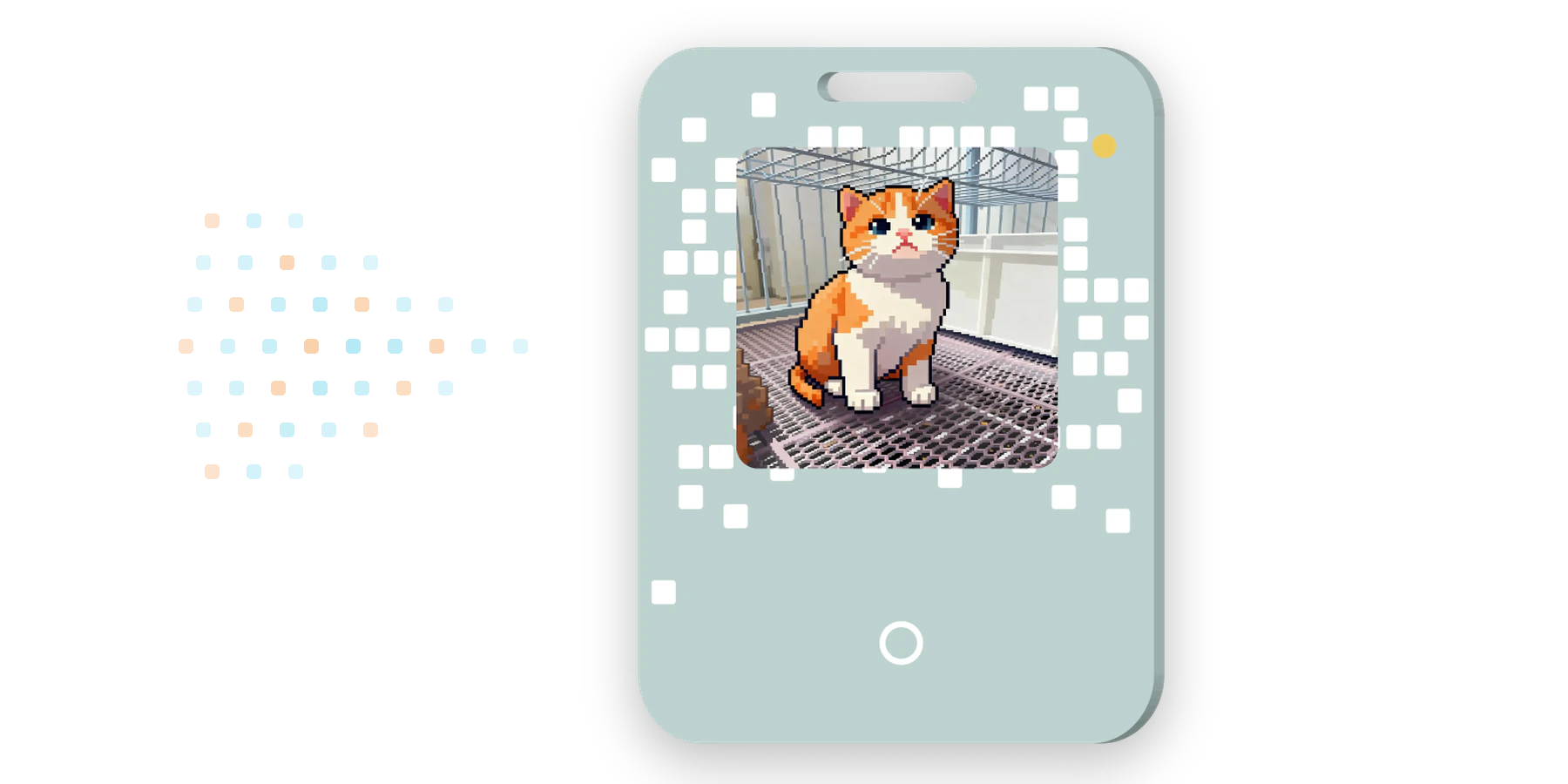
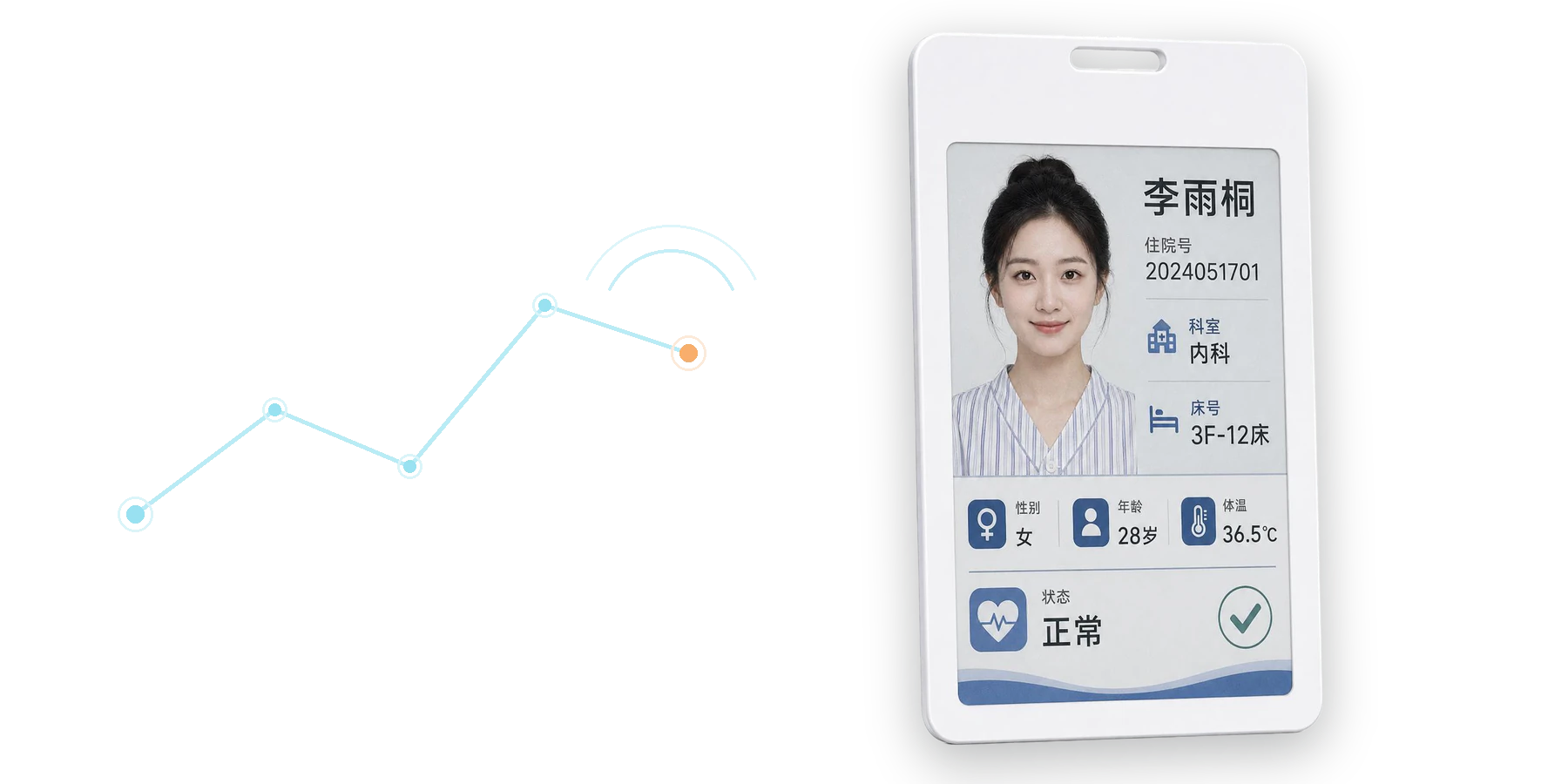
Identity and displayChoose the e-paper smart card. Check display size, refresh method, NFC/BLE combination, and window protection.
Personnel badgeChoose the smart badge. Check location accuracy, protocol, battery life, protection level, and system integration.
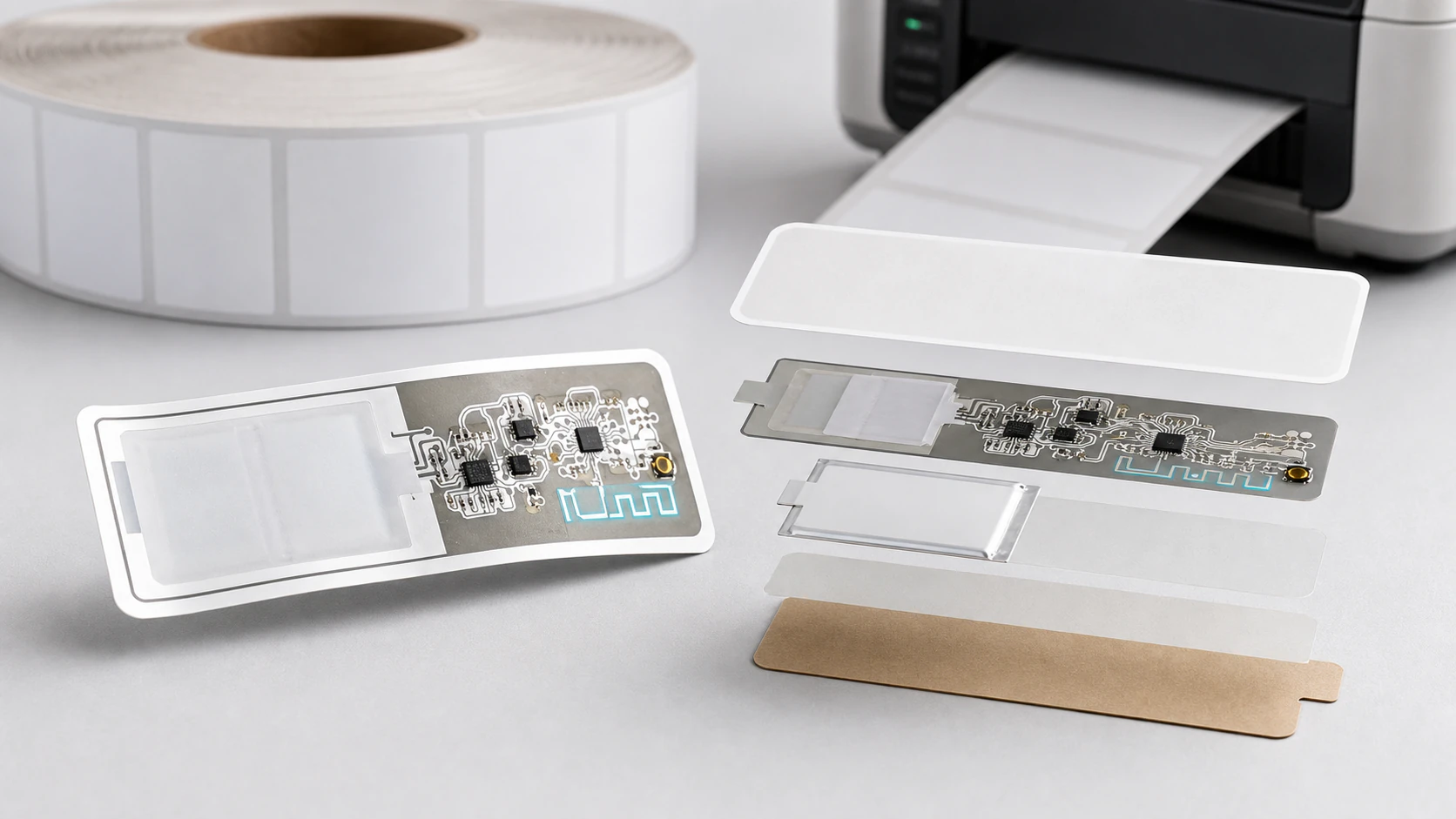
Logistics and assetsChoose flexible asset labels. Check mounting environment, abrasion resistance, waterproofing, read range, and batch coding.
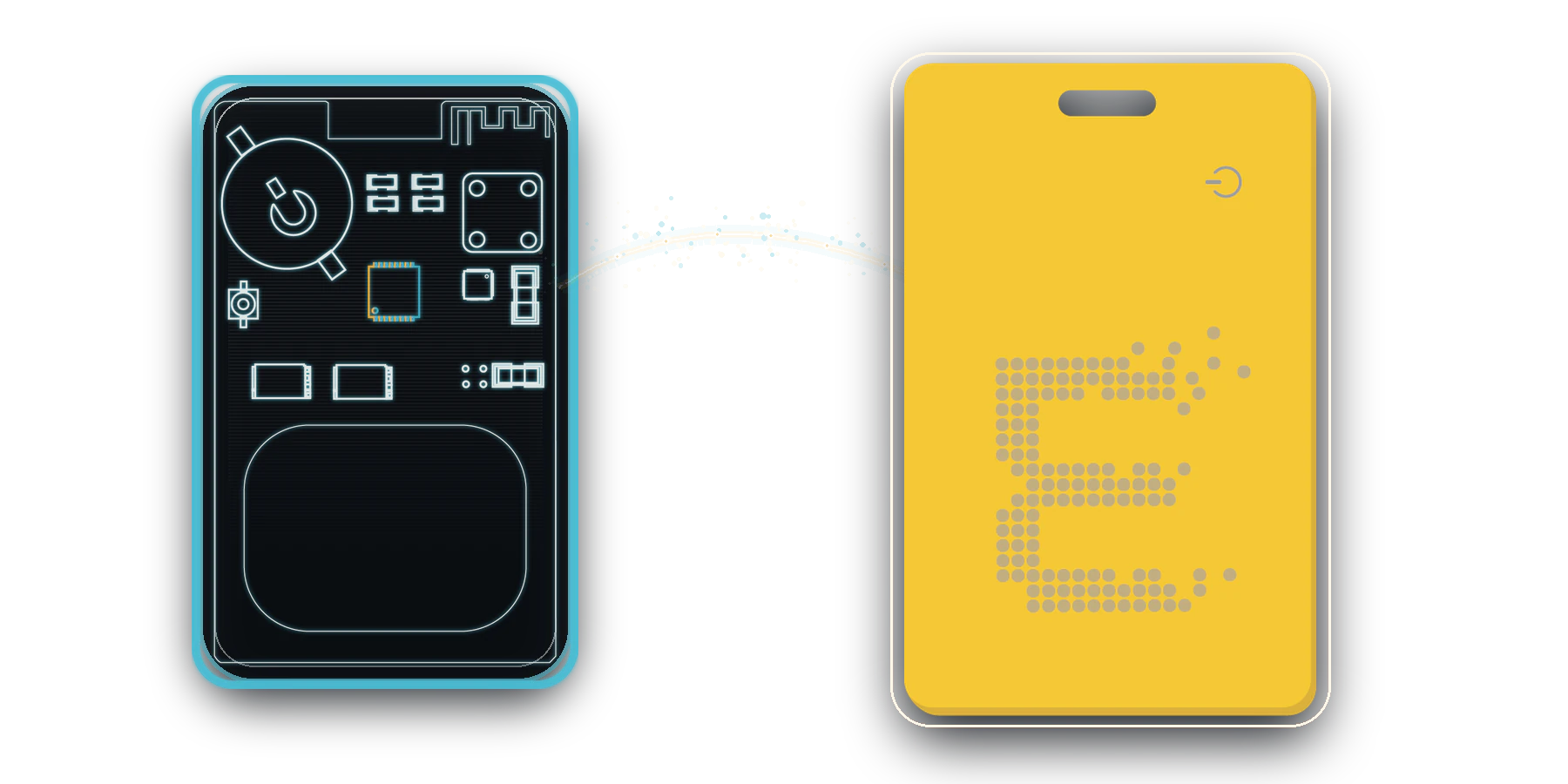
Existing customer PCBAChoose custom PCBA cold-press integration. Check component height, structure space, compound filling, and test fixtures.
Project Launch
Prototyping, Pilot Builds, and Volume Production
After receiving the target ecosystem, dimensions, thickness, module set, battery target, and volume, Yuli confirms the product platform, prototype scope, validation plan, and production path.
FAQ
Common sourcing questions
Sourcing reviews usually focus on battery-life targets, light-energy conditions, PCBA cold-press feasibility, and production validation requirements.
How is the standard tracker card different from a common Bluetooth Tag?
The standard tracker card is not just about Bluetooth connectivity. Its core value is long battery life, a thin cold-pressed structure, and production consistency. A project can be designed around a 5-year-class target, while final battery life depends on chipset, battery capacity, advertising strategy, buzzer usage, and validation tests.
Can the light-energy tracker card be marketed as maintenance-free?
Light-energy harvesting can reduce maintenance frequency. Actual performance depends on lighting, exposed area, energy-storage capacity, standby current, and buzzer use.
Can an existing PCBA be cold-pressed directly into a card?
An existing PCBA can be the basis for custom cold pressing. The key is whether PCBA size, component height, antenna position, battery connection, button and acoustic openings, and post-pressing tests fit the thin card requirements.